










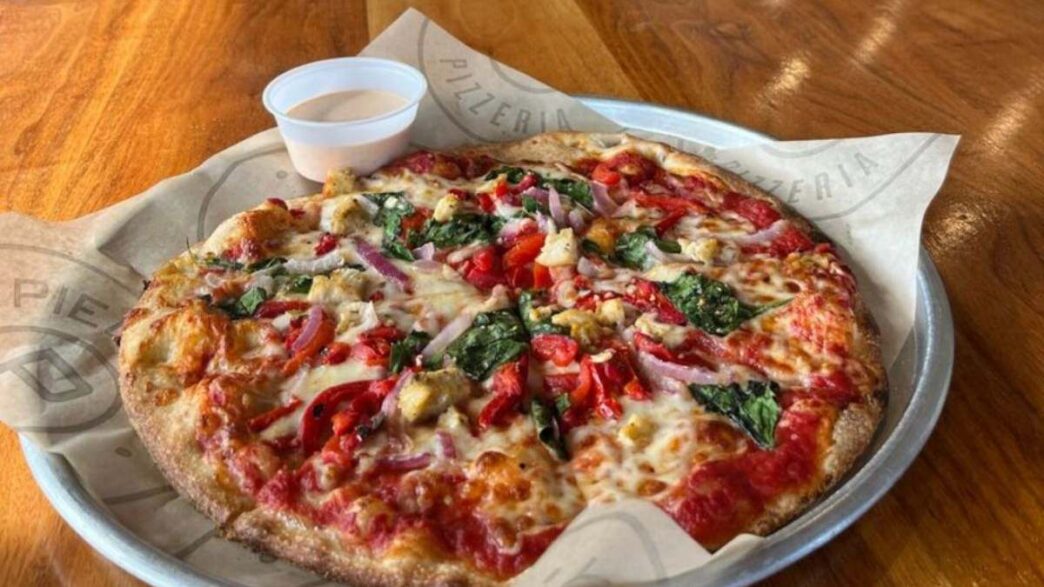

The shocking truth about why pizza giants are crumbling—and what it means for your next slice
The aroma of freshly baked pizza is becoming increasingly rare across America as national pizza chains face an unprecedented bankruptcy crisis. From iconic 49-year-old institutions to modern fast-casual concepts, the pizza industry is experiencing a seismic shift that’s leaving empty storefronts and disappointed pizza lovers in its wake.
The Little Brown Box Pizza, LLC became the latest casualty on December 8, 2025, filing for Chapter 11 bankruptcy protection—a move that sent shockwaves through an already trembling industry. But this isn’t an isolated incident. It’s part of a devastating pattern that’s seen Streets of New York Inc., Zeppe’s Tavern & Pizzeria, and multiple Domino’s and Pizza Hut franchisees seek bankruptcy protection within the past year alone.
The Perfect Storm Crushing Pizza Chains
Behind every bankruptcy filing lies a complex web of challenges that have created what industry experts call “the perfect storm” for pizza operators. Food costs have skyrocketed 29% since 2019, while labor costs have jumped an even more dramatic 31%, according to the National Restaurant Association. These aren’t just numbers—they represent the difference between profit and peril for your neighborhood pizza joint.
“The economics of operating a pizzeria in the U.S. have fundamentally changed,” explains Maria Rossi, a pizza industry consultant who has witnessed the transformation firsthand. “Operators who once thrived on thin margins are now drowning in a sea of rising costs, shifting consumer preferences, and brutal competition.”
The $50.1 billion U.S. pizza market might seem robust, but beneath the surface, independent operators and franchisees are struggling to stay afloat. With over 74,000 pizza restaurants competing for market share, the battle for survival has never been more intense.
Why Your Local Pizza Joint Can’t Compete Anymore
Walk into any shopping center and you’ll notice something alarming: empty pizza shops with “For Lease” signs where your favorite slice joint once stood. The reasons extend far beyond simple economics.
Commercial rents have exploded while consumer spending has tightened. When the average restaurant faces a 27.2% increase in menu prices just to break even, customers naturally become more selective. “People can no longer afford the same food they purchased before the pandemic,” notes Donald Grimes, an economist with the University of Michigan.
But here’s where it gets interesting for pizza enthusiasts: the chains that are surviving—and thriving—are those embracing artisanal pizza ingredients and sustainable pizza sourcing. The 2025 Pizza Industry Report reveals that over 30% of new independent pizzerias now source more than 60% of their ingredients within a 100-mile radius, a massive jump from just 15% in 2018.
The Rise of the Artisanal Pizza Revolution
While corporate chains struggle, a revolution is brewing in the pizza industry. Sleight of Hand Pizza, a tiny trailer operation in Santa Cruz, California, is proving that small can be mighty. Their secret? Hyper-local sourcing, wood-fired ovens, and treating every pizza as edible art.
“The next decade of pizza belongs to operators who treat their craft like art and their customers like family,” Rossi explains. “Sleight of Hand shows that people crave authenticity—they’re willing to pay more for it, too.”
This shift toward artisanal pizza experiences isn’t just changing how we eat pizza—it’s reshaping the entire industry landscape. Best home pizza oven sales have exploded as consumers seek to recreate restaurant-quality pies at home. Brands like Ooni, Gozney, and Solo Stove can’t keep their portable pizza ovens in stock.
What This Means for Pizza Shop Owners
If you’re a pizza shop owner, these bankruptcy trends aren’t just cautionary tales—they’re wake-up calls. The old playbook of competing on price and convenience is dead. Success now requires embracing technology, sustainability, and community connection.
Pizza shop marketing strategies must evolve beyond traditional advertising. Today’s successful operators are building customer loyalty pizza programs that create emotional connections. They’re investing in pizza POS systems that integrate with pizza delivery software to streamline operations and improve customer experience.
“The chains that are surviving are those that have mastered operational efficiency while maintaining quality,” explains Rossi. “They’re using technology to reduce labor costs without sacrificing the human touch that makes pizza special.”
The Equipment Revolution Saving Pizza Businesses
Smart pizza operators are investing in commercial pizza equipment that maximizes efficiency and minimizes waste. Conveyor ovens that cook pizzas in under 3 minutes, AI-powered temperature controls, and energy-efficient designs are becoming standard in successful operations.
The pizza ovens market is projected to grow from $631.7 million in 2025 to $1.13 billion by 2035, driven by demand for both commercial and residential solutions. This growth isn’t just about making more pizzas—it’s about making better pizzas more efficiently.
“We’re seeing a massive shift toward smart cooking technology,” notes a recent industry report. “Pizza ovens with AI-assisted temperature control, app connectivity, and automated cooking modes are becoming the new standard.”
The Future of Pizza: Adapt or Die
The bankruptcy crisis isn’t the end of pizza as we know it—it’s the beginning of a new era. Chains that adapt to changing consumer preferences, embrace technology, and focus on quality over quantity will thrive. Those that don’t will join the growing list of casualties.
For pizza enthusiasts, this means more choices than ever before. From artisanal pizza dough recipes that use cold fermentation techniques to innovative pizza making tools that bring restaurant-quality results to home kitchens, the pizza renaissance is well underway.
“The future belongs to operators who understand that pizza isn’t just food—it’s an experience,” Rossi concludes. “Whether you’re running a tiny trailer or a multi-unit chain, success comes from treating every pie like a masterpiece and every customer like family.”
Frequently Asked Questions
Why are so many pizza chains filing for bankruptcy?
The perfect storm of rising food costs (29% increase since 2019), labor costs (31% increase), commercial rent increases, and changing consumer preferences has created unsustainable conditions for many operators.
What pizza chains have filed for bankruptcy recently?
Recent filings include The Little Brown Box Pizza (December 2025), Streets of New York Inc. (October 2025), multiple Domino’s and Pizza Hut franchisees, Zeppe’s Tavern & Pizzeria, and several regional chains.
How can pizza shops survive the current crisis?
Successful operators are embracing artisanal ingredients, local sourcing, technology integration, operational efficiency, and community-focused marketing strategies.
What equipment should pizza shops invest in?
Energy-efficient conveyor ovens, AI-powered temperature controls, integrated POS systems, and mobile-friendly dough mixers are essential for modern operations.
Is the pizza industry growing or shrinking?
While the overall market is growing ($50.1 billion in 2024), there’s a significant shift from large chains to artisanal, locally-focused operations.
What’s driving the artisanal pizza trend?
Consumer demand for authentic experiences, quality ingredients, and sustainable sourcing is driving growth in artisanal pizza concepts.
How can I make restaurant-quality pizza at home?
Invest in a best home pizza oven, master an artisanal pizza dough recipe with cold fermentation, source local ingredients, and use proper pizza making tools like peels and stones.
What are the best pizza ovens for home use?
Top-rated options include the Ooni Koda 12 for portability, Gozney models for performance, and Breville Pizzaiolo for indoor convenience.
How important is local sourcing for pizza shops?
Over 30% of new independent pizzerias now source 60%+ of ingredients locally, representing a massive shift toward sustainability and community connection.
What technology should pizza shops implement?
Integrated POS systems, online ordering platforms, delivery software, inventory management, and customer loyalty programs are essential for modern operations.
This article contains affiliate links, which means Pizza Magazine may earn a commission if you make a purchase through them, at no extra cost to you. We only recommend products and services we genuinely believe in.