










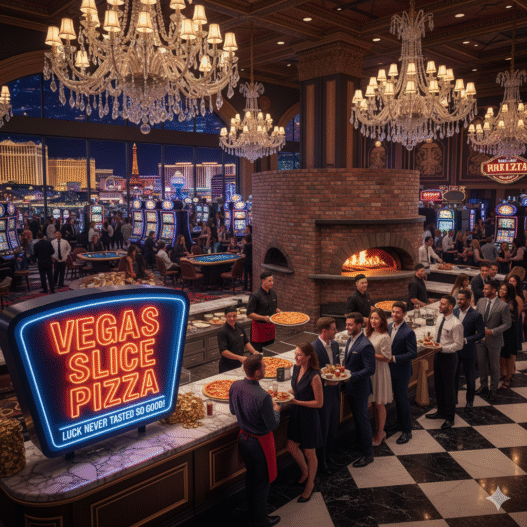
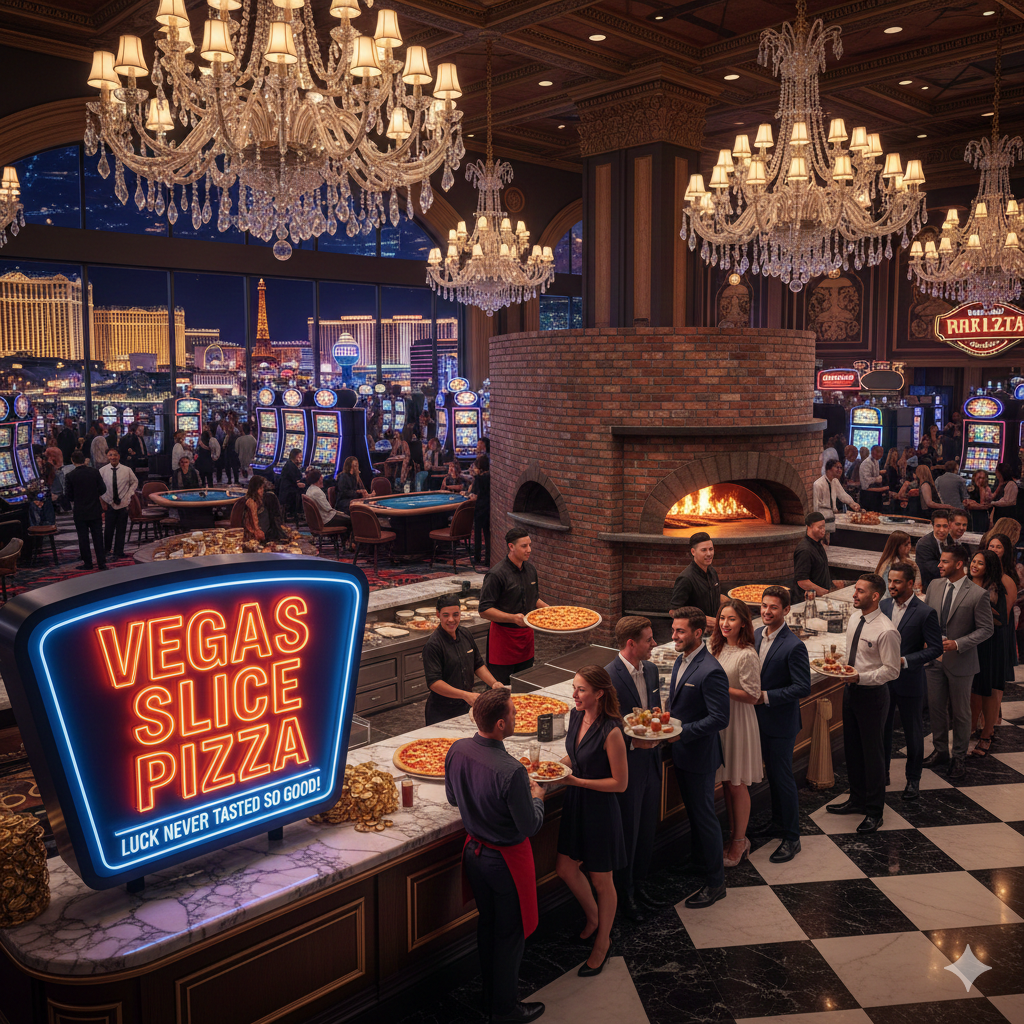

Las Vegas has always been a city built on calculated risk, where fortunes are won and lost on the turn of a card or the spin of a wheel. Now, the pizza industry is placing its own strategic bet on the casino floor—and the odds are looking better than ever. As major pizza operators expand into casino locations across the Las Vegas Strip and downtown properties, they’re tapping into a captive audience of millions while redefining what fast-casual dining looks like in America’s entertainment capital.
The latest wave of casino pizza concepts isn’t just about slinging slices to hungry gamblers. It’s a sophisticated play that combines high foot traffic, extended operating hours, and premium real estate positioning with the operational efficiency that modern pizza brands have perfected. For pizza shop owners, suppliers, and industry observers, this trend offers valuable lessons about site selection, customer behavior, and the evolving landscape of restaurant hospitality.
The Casino Floor Advantage: Why Pizza Operators Are All In
Casino locations offer something traditional street-level restaurants can only dream of: guaranteed foot traffic that flows 24 hours a day, 365 days a year. Unlike conventional shopping districts that see predictable peaks and valleys, casinos maintain consistent visitor counts regardless of the time or season. For pizza operators, this translates to revenue stability that’s virtually unmatched in the restaurant industry.
Consider the logistics: A typical Las Vegas casino welcomes between 15,000 and 40,000 visitors daily, depending on the property size and location. These aren’t casual passersby—they’re destination visitors who’ve committed hours or even days to staying within the casino ecosystem. They’re hungry, they’re celebrating, and they’re looking for convenient, satisfying food options that won’t pull them away from the action for long.
Pizza fits this environment perfectly. It’s portable, shareable, customizable, and universally appealing. It can be enjoyed quickly between hands of blackjack or savored slowly with friends at a bar-height table overlooking the slots. For operators working with trusted commercial pizza suppliers, the ability to source bulk pizza ingredients and maintain consistent quality across high-volume shifts becomes crucial to success in these demanding venues.
The Operational Playbook: Running Pizza in High-Pressure Casino Environments
Operating a pizza concept inside a casino isn’t the same as running a neighborhood pizzeria. The volume demands, space constraints, and customer expectations require a fundamentally different approach. Successful casino pizza operators have mastered several key strategies:
Speed Without Sacrificing Quality
Casino diners expect quick service, but they won’t tolerate mediocre food. The solution? Streamlined operations powered by advanced dough management systems that allow operators to pre-portion and cold-ferment dough for optimal flavor development while maintaining lightning-fast assembly times. Many casino pizza concepts utilize commercial conveyor ovens that can produce consistently excellent pies in under five minutes, keeping lines moving even during peak hours.
Menu Engineering for Maximum Throughput
The most successful casino pizza menus aren’t exhaustive—they’re strategic. Operators focus on 8-12 core pizzas that showcase variety while minimizing prep complexity. This allows kitchen teams to work with speed and precision, reducing ticket times and ensuring that every pie meets quality standards even when the casino floor is packed.
Smart operators also leverage AI-powered recipe optimization tools to test ingredient combinations that maximize flavor impact while keeping food costs in check. In the casino environment where rent and labor expenses run high, every percentage point of food cost matters.
Technology-Enabled Service Models
Leading casino pizza concepts have embraced pizza POS systems that integrate seamlessly with casino rewards programs, allowing guests to earn and redeem points directly at the pizza counter. Some properties have even implemented digital ordering kiosks that reduce labor needs while giving guests full control over customization—a win-win in an environment where staffing can be challenging.
The Financial Bet: Understanding Casino Pizza Economics
For entrepreneurs considering a casino location, the numbers tell a compelling story—but they also demand careful analysis. Casino rents typically run 15-25% higher than comparable street-level locations, but the trade-off comes in volume potential and marketing exposure. A well-positioned casino pizza operation can generate 40-60% more revenue per square foot than traditional locations, offsetting the premium rent structure.
The real profitability driver? Extended operating hours without corresponding increases in fixed costs. While a neighborhood pizzeria might close at 10 PM, casino concepts often operate until 2 or 3 AM—or even 24 hours—capturing late-night demand from guests who’ve been gambling for hours and suddenly realize they’re famished. These late-night hours often carry higher average ticket sizes and better margins due to reduced competition from other dining options.
Operators must also factor in the unique cost structure of casino partnerships. Most properties require revenue sharing arrangements ranging from 8-15% of gross sales on top of base rent. However, the casino handles all common area maintenance, security, and cleaning—expenses that can add up quickly in standalone locations.
Lessons for Pizza Shop Owners Beyond the Strip
Even if you’re not planning to open in a casino, the strategies driving success in these high-stakes environments offer valuable insights for any pizza operation:
Captive audience thinking: Whether it’s a shopping mall, airport, or entertainment district, location strategies that prioritize captured traffic over convenience-based traffic can dramatically improve sales predictability. Look for venues where guests are already committed to spending extended time.
Operational simplicity scales: The streamlined menu approach that works in casinos translates beautifully to ghost kitchens, food halls, and multi-unit operations. By mastering a focused menu, operators can train staff faster, reduce waste, and maintain consistency—all critical factors in pizza shop profitability.
Technology integration pays dividends: Casino pizza concepts have proven that customers embrace digital ordering, loyalty program integration, and mobile payment options. Implementing these technologies in your operation—whether through a comprehensive restaurant management system or standalone solutions—can improve throughput and customer satisfaction simultaneously.
The Future of Casino Pizza: What’s Next for This Growing Segment
As more pizza brands place their bets on casino locations, we’re seeing innovation that extends beyond operational efficiency. Several emerging trends are reshaping the casino pizza landscape:
Elevated fast-casual concepts are replacing generic food court pizza with chef-driven menus featuring heritage flour, premium imported ingredients, and creative flavor profiles that justify higher price points. These concepts appeal to the growing segment of casino visitors who view dining as part of the entertainment experience, not just fuel for gambling.
Hybrid service models are emerging that combine counter service with table delivery for guests who want to order from the casino floor. Some operators are partnering with delivery platforms to bring pizza directly to hotel rooms, expanding revenue channels beyond the restaurant footprint.
Sustainable sourcing is becoming a differentiator, with forward-thinking casino pizza operators highlighting local ingredient partnerships and eco-friendly packaging. In a market where competition is fierce, these values-driven approaches help brands stand out and build loyal followings among conscious consumers.
Frequently Asked Questions
What makes casino locations attractive for pizza operators?
Casino locations offer guaranteed high foot traffic 24/7, captured audiences who spend extended time on property, and exposure to millions of visitors annually. The consistent customer flow creates revenue stability that traditional street-level locations can’t match, despite higher rent costs. Additionally, casinos handle maintenance, security, and common area expenses that would otherwise fall to the operator.
How do pizza operators handle the high-volume demands of casino locations?
Successful casino pizza concepts rely on streamlined operations including pre-portioned dough systems, focused menus (typically 8-12 core offerings), high-speed conveyor ovens, and integrated POS technology. Many operators use cold-fermentation techniques to develop flavor while maintaining fast service times, and staff extensively train on consistent assembly procedures to ensure quality doesn’t suffer during peak periods.
What are the typical costs associated with opening a pizza concept in a Las Vegas casino?
Casino pizza operators typically pay 15-25% higher base rent than comparable street locations, plus revenue sharing of 8-15% of gross sales to the casino property. However, this cost structure often includes maintenance, security, and utilities that would be separate expenses in standalone locations. Initial build-out costs can also be higher due to casino design standards and equipment requirements, but the revenue potential per square foot often exceeds traditional locations by 40-60%.
Can small pizza operators succeed in casino locations, or is it only for major chains?
While major chains have advantages in brand recognition and operational systems, independent operators can absolutely succeed in casino environments—particularly in downtown or regional casino properties that value unique concepts over national brands. Success factors include strong operational systems, adequate capitalization to handle higher upfront costs, and the ability to maintain consistency during high-volume service periods. Some casinos actively seek independent operators to differentiate their dining offerings.
What technology is essential for running a pizza operation in a casino?
Essential technology includes a robust POS system that integrates with casino loyalty programs, digital ordering capabilities (kiosks or mobile), kitchen display systems for order management, and inventory tracking software to manage high-volume ingredient usage. Many successful operators also implement labor management systems to optimize scheduling across extended operating hours and customer analytics tools to identify peak periods and menu preferences.
How does the late-night casino crowd affect pizza operations differently than traditional restaurants?
Late-night casino guests typically have higher average ticket sizes and are more likely to order premium toppings and add-ons. They’re also less price-sensitive, having spent hours in the casino environment. However, these shifts require different staffing considerations and menu strategies—late-night crowds often prefer indulgent options over health-conscious choices, and service speed becomes even more critical as guests seek quick satisfaction between gaming sessions.
The Smart Money Is on Pizza
As Las Vegas continues to evolve as a dining destination and not just a gambling mecca, pizza operators who understand the unique dynamics of casino locations are positioned to win big. The combination of guaranteed traffic, extended operating hours, and the universal appeal of great pizza creates an opportunity that’s hard to replicate in traditional restaurant settings.
For industry professionals watching this trend, the lessons extend far beyond the neon lights of the Strip. Whether you’re sourcing ingredients through a comprehensive supplier network, optimizing your operations with modern dough production systems, or developing new recipes through innovative recipe platforms, the principles driving casino pizza success—operational efficiency, menu focus, technology integration, and customer-centric service—apply across every segment of the pizza industry.
The house always has an edge in Vegas, but when it comes to casino pizza operations, smart operators are finding ways to beat the odds and build thriving businesses in one of America’s most competitive restaurant markets. For those willing to make the bet, the payoff potential is substantial—and unlike the games on the casino floor, success here is far from a matter of luck.
This article contains affiliate links, which means The Pizza Weekly may earn a commission if you make a purchase through them, at no extra cost to you. We only recommend products and services we genuinely believe in.