










Hidden in the hilltop town of Caiazzo, an hour from Naples, a single pizzeria helped rewrite modern pizza history. At Pepe in Grani, third‑generation pizzaiolo Franco Pepe has turned a humble Margherita pizza into a farm‑to‑fork revolution that touches everything from artisanal pizza ingredients to pizza shop marketing strategies and sustainable pizza sourcing.
This is not just a story about a famous pie. It’s a blueprint for pizza lovers, suppliers, and shop owners who want to build something truly world‑class—whether in a tiny Italian village or your own home kitchen.
From Village Bakery to Global Pizza Icon
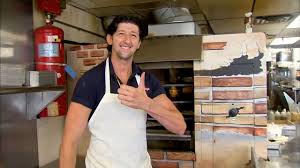
In the 1930s, Pepe’s grandfather Francesco ran a small bakery in Caiazzo, selling pizza by the slice. In 1961, his father Stefano opened a pizzeria where Franco learned the craft.
Like so many second‑ and third‑generation pizza families, Franco was initially steered away from the ovens. He trained as a physical‑education teacher before returning to the family business after his father’s death in 1996.
The big break came when he broke away. In 2011, in a town that “no one stayed in or even passed through,” he opened Pepe in Grani in a restored townhouse. Locals thought he was crazy. Caiazzo was no Naples, and yet Franco bet everything on one idea:
Pizza could be as serious as haute cuisine—if the ingredients and storytelling were just as serious.
Today, thousands of visitors a month walk that narrow cobbled street to try his pies. His radical Margherita Sbagliata (“Margherita Gone Wrong”) has become a symbol of how pizza can evolve without losing its soul.
The Margherita Sbagliata: Pizza History, Rewired
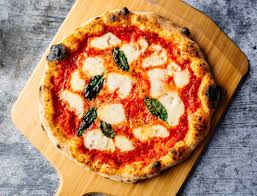
At first glance, the Margherita Sbagliata looks almost wrong: a geometric canvas of red tomato purée and green basil reduction piped onto a base that was baked with only mozzarella. It resembles a Mondrian painting more than a classic Neapolitan.
But there’s hardcore ingredient logic behind the art. Franco wanted to respect the flavor of the local riccio tomato, which loses its character with high heat. So he bakes the dough and cheese first, then adds the tomato and basil cold. The result?
- A more intense tomato aroma
- Cleaner, brighter acidity
- A layered contrast between hot crust and cool toppings
For pizza enthusiasts, this is a masterclass in pizza history facts and innovation: the Margherita, born in Naples in the late 19th century, is still evolving. And that evolution is driven not by gimmicks, but by deep respect for local ingredients.
If you want to push your own Margherita in this direction at home, explore high‑hydration doughs and better tomatoes, then fine‑tune your bake. For step‑by‑step doughs and topping ideas, you can dive into a dedicated pizza dough recipe and sauce guide to experiment with “cooked base / fresh topping” styles.
How a Pizza Menu Revived an Entire Local Economy
Franco started Pepe in Grani working with just six producers:
- Caiazzane black olives
- Campanian buffalo mozzarella
- Local pancetta
- The fragrant Alife onion (then on the brink of extinction)
Over time, that network grew to more than 40 partnerships—farmers, cheesemakers, millers, oil producers. An agronomist was brought in to support better farming practices. Chefs and buyers from around the world began sourcing those same ingredients after tasting them on Pepe’s pies.
The impact went far beyond food:
- Dozens of B&Bs opened to host visiting pizza tourists
- Travel agencies began selling Caiazzo‑centric food itineraries
- Young locals who might have left for big cities found work in and around the pizzeria
As Franco famously put it, “The whole town shuts down on Monday because we shut on Monday.”
If you run a pizzeria or restaurant, this is your playbook for sustainable pizza sourcing and local impact:
- Pick two or three hero ingredients from your region.
- Build a signature pizza around each one.
- Put the farmer or producer in the story—on the menu, on social, in your staff training.
- Treat them like long‑term partners, not just suppliers.
To start building those relationships, explore our vetted pizza suppliers directory for bulk pizza ingredients, flour mills, dairy producers, and more.
Lessons for Home Pizza Enthusiasts: Gear, Dough & Ingredients
You may not turn your living room into Caiazzo, but you can steal Franco’s core principles for your home setup.
1. Elevate your heat: choose the right oven
If you’re serious about home Neapolitan‑style pies, investing in a best home pizza oven is the single biggest upgrade you can make. Look for:
- Temperatures of 800–950°F (425–510°C)
- Stone or cordierite baking surface
- Top‑mounted burners for faster leopard spotting
Pair that with quality pizza making tools like a peel, infrared thermometer, and turning peel, and you’ll slash your learning curve dramatically.
2. Take dough seriously
Franco’s dough work is obsessive: long fermentation, precision hydration, and controlled proofing. For home bakers, the key is consistency:
- Use a digital scale
- Stick to one pizza dough recipe for at least 5–10 bakes
- Vary only one parameter (hydration, fermentation time, or flour) at a time
3. Upgrade ingredients, one step at a time
You don’t need 40 local producers, but you can upgrade:
- Trade supermarket mozzarella for a high‑quality fresh fior di latte
- Swap generic flour for a pizza‑specific “00”
- Add a couple of artisanal pizza ingredients like Calabrian chiles, specialty olive oil, or heritage tomatoes
When in doubt, keep the topping count low and the ingredient quality high. A single exceptional onion, like Pepe’s Alife, can justify an entire signature pie.
Lessons for Pizza Suppliers: Be the Partner, Not the Commodity
Pepe’s story is a love letter to suppliers who do things right. He didn’t just buy ingredients; he co‑authored pizzas with the people who grew and made them.
If you’re in the bulk pizza ingredients or commercial pizza equipment business, you can stand out by:
- Co‑developing signature pies with your best customers
- Offering agronomy or technical support (flour, ovens, mixers)
- Hosting farm or factory visits for chefs and pizzeria teams
The most forward‑thinking vendors understand that they’re in food service technology pizza, not just “boxes and bags.” That might mean smart dough mixers, energy‑efficient ovens, or data‑driven inventory tools.
To connect with pizzerias actively looking for partners, make sure you’re visible in curated channels like our pizza suppliers network, where buyers filter by region, category, and sustainability focus.
Lessons for Pizza Shop Owners: Storytelling, Tech & Operations
Franco’s success wasn’t just dough and tomatoes. It was positioning.
He framed Caiazzo as a destination before it really was one. Netflix’s Chef’s Table: Pizza amplified that story globally, but the foundations were already there: a clear identity, relentless quality, and a town‑wide ecosystem that supported the experience.
Here’s how to apply his playbook to your own shop:
1. Sharpen your niche and story
Are you the sourdough slice shop? The farm‑to‑pizza joint? The late‑night Detroit‑style lab? Your pizza shop marketing strategies should revolve around one sharp idea, backed by:
- A tight hero menu (3–5 headliner pies)
- High‑quality photography
- Clear, repeated storytelling across website and social
2. Upgrade your tech stack
You don’t need to become a tech company, but you do need:
- A reliable pizza POS system that syncs dine‑in, takeaway, and delivery
- Pizza delivery software to manage drivers, time windows, and dispatch
- Simple marketing software for SMS/email promos and loyalty offers
Many all‑in‑one restaurant platforms now combine POS, online ordering, and loyalty under one roof. Paired with smart merchandising and limited‑time pizzas, this can significantly lift check averages and repeat visits.
3. Build a real loyalty loop
Modern customer loyalty pizza programs go beyond punch cards:
- Tiered rewards (e.g., dough points, birthday pies, invite‑only tastings)
- Early access to new seasonal pizzas
- Collabs with local farmers, breweries, or bakeries
And behind all of it, you still need great ingredients and reliable vendors. Explore our trusted pizza suppliers list to match your concept with the right flour, dairy, and equipment partners.
Pro Tips from Franco’s Playbook
Pulling this all together, here are actionable moves you can borrow from Pepe in Grani, whether you’re baking in a backyard or running a multi‑unit operation:
- Start with one signature pizza that tells a story about place—your neighborhood, your farm, your city.
- Name and credit your ingredients: list specific farms, mills, and dairies on your menu.
- Document your process: post dough shots, fermentation setups, and oven action on social to educate guests.
- Invest in your hardware: a serious pizza stone or steel and home pizza oven can be the difference between “good” and “holy wow.”
- Treat staff as ambassadors, not button‑pushers—train them on origins, textures, and pairings.
- Stay curious: follow modern resources like recipe and technique hubs to keep your game evolving.
Pizza FAQs: Your Questions Answered
What is the best home pizza oven for Neapolitan‑style pies?
Look for a compact gas or wood‑fired unit that reaches at least 850°F (450°C), with a stone or cordierite base and top‑mounted flames. Models marketed as a best home pizza oven will usually highlight their max temperature and preheat time—those are the two specs that matter most.
How can I make restaurant‑quality pizza dough at home?
Use a scale, cold water, and a long fermentation (24–72 hours in the fridge). Start with a proven pizza dough recipe and stick to it for several bakes before tweaking hydration or flour type. Consistency matters more than complexity.
Where can pizzerias find reliable bulk pizza ingredient suppliers?
Independent pizzerias and chains alike benefit from curated directories that pre‑screen vendors for quality and reliability. Our pizza suppliers directory is a starting point for flour, tomatoes, cheese, and specialty topping partners focused on long‑term relationships rather than one‑off sales.
What commercial equipment is most important for a new pizza shop?
After your oven, prioritize your mixer and prep workflow. A robust commercial mixer, dough press (if it fits your style), and well‑designed make line do more for quality and labor efficiency than almost any other commercial pizza equipment purchase. Pair these with the right pizza POS system to keep orders flowing smoothly.
How can a small pizzeria stand out without a huge marketing budget?
Lean hard into your story and your neighborhood. Use simple pizza shop marketing strategies: tight niche positioning, consistent social media (showing real people and real dough), seasonal pies, and loyalty rewards that feel generous but controlled. Collaborating with local producers—like Franco did—amplifies your reach organically.
This article contains affiliate links, which means Pizza Magazine may earn a commission if you make a purchase through them, at no extra cost to you. We only recommend products and services we genuinely believe in.