










Pizza has always been democratic food. A slice for every wallet, every craving, every late night. But right now, something strange and fascinating is happening in the pizza universe. The big chains—once content to fight over coupons and crust thickness—are locked in a full-blown innovation war. New menus, tech-driven loyalty plays, unexpected collaborations, and shockingly aggressive value deals are reshaping what “chain pizza” even means.
This article was inspired by a recent segment from Today examining why major pizza brands are cooking up new ways to entice consumers amid rising costs and fickle appetites . Consider this your deep dive into what’s actually happening beneath the cheese layer—and how home pizza makers, suppliers, and independent operators can steal the best ideas.
Why Pizza Chains Are Reinventing Themselves Now
Inflation hit pizza from all sides. Cheese prices spiked. Labor tightened. Delivery fees ballooned. At the same time, consumers got smarter—and pickier. They learned to bake better pies at home using a best home pizza oven, discovered heritage flours, and started questioning why a delivery pizza costs more than a sit-down meal.
Chains had two options: shrink quietly or evolve loudly. They chose the latter.
What we’re seeing now is a mix of:
- Hyper-value bundles designed to lock in price-sensitive customers
- Limited-time menu drops that borrow tactics from streetwear and sneaker culture
- Digital-first loyalty ecosystems built around apps, data, and rewards
This isn’t desperation. It’s adaptation.
The Menu as a Marketing Weapon
One of the clearest shifts is how aggressively chains are experimenting with flavor. The old model—pepperoni, sausage, veggie, repeat—has given way to fast-moving innovation cycles.
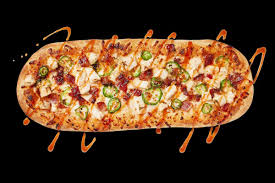
Hot honey drizzles, spicy vodka sauces, and regional mashups now show up in national chains within months of trending on social media. These aren’t accidents. Chains track food influencers, TikTok trends, and regional sales data with the intensity of hedge funds.
For home pizza makers, this is free R&D.
You can reverse-engineer these ideas using an AI-powered pizza recipe generator, testing chain-inspired flavor combinations with better artisanal pizza ingredients and more thoughtful fermentation. Many enthusiasts are already doing exactly that—often with results that embarrass the original.
Value Wars and the Psychology of the Deal
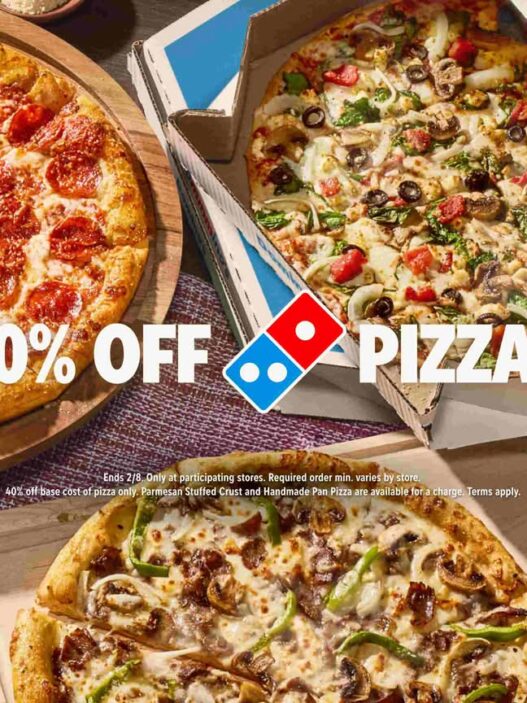
Chains aren’t just lowering prices. They’re reframing value.
Instead of a cheap pizza, you get:
- A “family bundle”
- A “game night deal”
- A “carryout exclusive”
Same pizza. Different story.
This matters because pizza is emotional food. The context—friends, sports, convenience—often matters more than the toppings. Chains understand that selling pizza is really about selling an occasion.
Independent operators can learn from this without racing to the bottom. Bundling a pie with a salad, dessert, or house-made dip creates perceived value without destroying margins.
Technology Is the Real Secret Sauce
Behind the scenes, pizza chains now look more like software companies that happen to sell dough.
Modern chains invest heavily in:
- App-only pricing
- AI-driven upselling
- Loyalty programs that reward frequency, not just spend
These systems quietly optimize menus, predict demand, and reduce waste. Even dough production is increasingly data-driven, with many operators relying on a streamlined dough management system to standardize fermentation and reduce labor errors.
This tech trickles down. Independent shops can now access tools that were once enterprise-only, often by partnering with platforms featured in a professional pizza suppliers directory that connects operators to modern food service technology.
What This Means for Home Pizza Makers
Ironically, the pizza wars have made home pizza better than ever.
Chains normalize adventurous toppings, making ingredients easier to find at retail. Equipment prices drop as demand rises. Techniques once guarded by professionals are now common knowledge.
If you’re baking at home, this is the golden age:
- Invest in a baking steel for home ovens to mimic deck-oven heat
- Experiment with chain-inspired flavor profiles, then upgrade the quality
- Learn dough fundamentals deeply—hydration, time, temperature—because dough still decides everything
Pizza history teaches us this lesson repeatedly: innovation moves from street to chain, then back to the home kitchen, improved and personalized.
Lessons for Pizza Shop Owners and Operators
For independent shops, the chains’ behavior offers both warning and opportunity.
Chains win on:
- Consistency
- Price signaling
- Digital convenience
Independents win on:
- Story
- Ingredient integrity
- Community loyalty
The smartest operators steal chain tactics selectively. Adopt online ordering that feels effortless. Use data to track bestsellers. Build loyalty programs that reward regulars, not just discounts.
On the supply side, many operators are rethinking sourcing entirely, working with partners found through a trusted pizza suppliers hub to secure better pricing on bulk pizza ingredients while maintaining quality.
Sustainability, Sourcing, and the Next Pizza Consumer
Another quiet shift: sustainability is no longer niche.
Chains are experimenting with plant-based toppings, lower-waste packaging, and regional sourcing—not always loudly, but consistently. Younger consumers notice. They reward brands that align with their values.
For suppliers, this opens new lanes: heritage grains, traceable cheese, responsibly sourced proteins. Being listed in a verified supplier network for pizza professionals is increasingly about transparency as much as price.
The Cultural Layer: Pizza as Entertainment
Limited-time pizzas now behave like movie releases. Fans rush to try them before they vanish. Reviews pop up overnight. Social media amplifies everything.
This turns pizza into entertainment, not just food.
Home makers can play along by recreating these drops with better ingredients. Operators can lean into scarcity with rotating specials. Even suppliers benefit when trends spike demand for specific flours, cheeses, or oils.
Pizza history is full of these cycles—from the rise of New York slices to the Neapolitan revival. The current moment just moves faster.
Frequently Asked Questions
Why are pizza chains changing their menus so often?
Frequent menu changes create urgency, generate social buzz, and allow chains to test new flavors quickly without long-term risk. Data from apps and loyalty programs shows what works almost instantly.
Are pizza chains really competing with home pizza makers?
Indirectly, yes. Better home equipment and knowledge raise expectations. Chains respond by improving quality perception, convenience, and value rather than trying to outcook enthusiasts.
What pizza making tools actually matter at home?
Heat management tools make the biggest difference. A high-temperature pizza stone or steel, a solid peel, and accurate temperature control outperform most gimmicks.
How can independent pizza shops compete with big chains?
By leaning into authenticity, ingredient quality, and community connection while adopting smart tech for ordering, loyalty, and dough consistency.
Is pizza becoming more expensive overall?
Ingredient and labor costs have risen, but value engineering and tech efficiency help offset this. Consumers pay more attention to perceived value than raw price.
The Bottom Line
The pizza wars aren’t about who sells the cheapest slice. They’re about who understands modern pizza culture best—where food, tech, psychology, and story collide.
Chains are experimenting loudly. Independents are adapting creatively. Home pizza makers are quietly winning by stealing ideas and improving them.
Pizza has always evolved this way. The oven stays hot. The game changes.
This article contains affiliate links, which means The Pizza Weekly may earn a commission if you make a purchase through them, at no extra cost to you. We only recommend products and services we genuinely believe in.