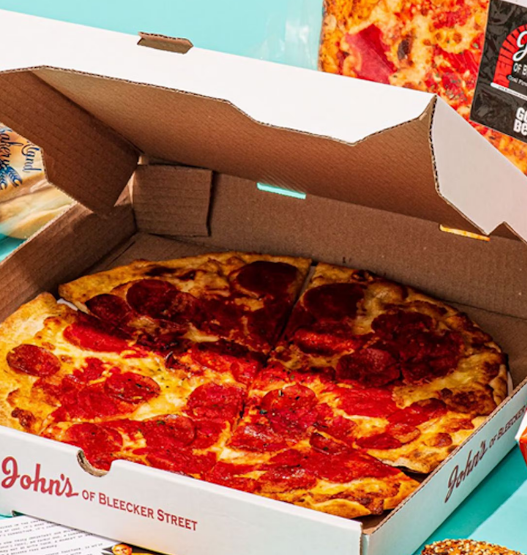










For decades, New Yorkers have measured the city’s economic pulse through an informal but remarkably consistent economic indicator known as the “pizza principle” – the curious phenomenon where subway rides and pizza slices maintained almost identical pricing. Today, this long-standing relationship has been decisively broken, with slices now costing significantly more than subway rides, creating a fascinating snapshot of post-pandemic urban economics. This shift prompts a discussion on the implications of The End of New York’s Pizza.
The Historical Pizza-Subway Parity
The pizza principle, as economists and New York food historians have documented, held strong for nearly half a century. In 1973, when Giovanni Lanzo opened Luigi’s Pizza in Park Slope with his father, a subway ride cost 35 cents while a slice of pizza was priced at 30 cents – and even came with a complimentary Coca-Cola.
“This parity wasn’t just a coincidence; it became an informal economic barometer that locals jokingly referenced,” explains Jared Lander, a data scientist who has extensively studied this phenomenon. “For years, tracking the pizza slice price was a way to monitor inflation and economic changes in the city.”
Even through various economic cycles, the relationship remained remarkably consistent. In the late 1970s, when subway fares reached 50 cents, typical slice prices settled around 40 cents. By 2000, both were approaching the $2 mark, with pizza slices at Luigi’s selling for $1.75 while subway rides cost $1.50.
The Modern Divergence
The End of New York’s Pizza has become a focal point in understanding these economic changes.
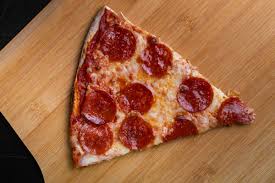
The breaking of this historical pattern represents not just an economic curiosity but reflects fundamental shifts in urban food economics. According to comprehensive analysis, the average cost of a plain slice was $2.54 in 2014, when subway fares were $2.50. However, by 2025, as subway fares prepared to increase to $3, the median pizza slice price had soared to $3.81 across the city.
This divergence began around 2022, coinciding with widespread economic disruptions following the COVID-19 pandemic. At Joe’s Pizza in the West Village, a plain slice that cost $2.75 in 2014 now commands $4 today – a staggering 45% increase over about a decade.
Even more affordable neighborhood spots have seen significant price hikes. Tommy’s Pizza in Throgs Neck, which charged $3 for a plain slice in 2023, now sells it for $3.50 – significantly higher than the current subway fare of $2.90.
Behind the Price Disparity
Multiple factors have contributed to this economic phenomenon. Inflation in the food service sector has outpaced general inflation due to rising costs in three critical areas:
- Raw ingredients – Flour, cheese, and other pizza essentials have seen substantial price increases
- Labor costs – Wages for kitchen staff and service workers have risen significantly
- Commercial rent – Perhaps the most significant factor, as retail rent increases have far outpaced inflation
Unlike the MTA, which receives public funding and subsidy, independent pizzerias cannot absorb these rising costs as easily. A neighborhood slice joint operates on much thinner margins than a taxpayer-supported transportation authority.
“What we’re seeing is the vulnerability of small food businesses compared to public utilities,” explains Lander. “The MTA can leverage tax revenue and public funding to keep fares somewhat in check while pizza shops must pass every increase directly to consumers.”
The Artisanal Pizza Renaissance
Interestingly, this price divergence has occurred alongside an explosion in the artisanal pizza scene. While traditional slice joints have had to raise prices significantly, the premium pizza market has flourished, with specialty pizzerias offering unique experiences that justify higher price points.
This renaissance has seen the rise of:
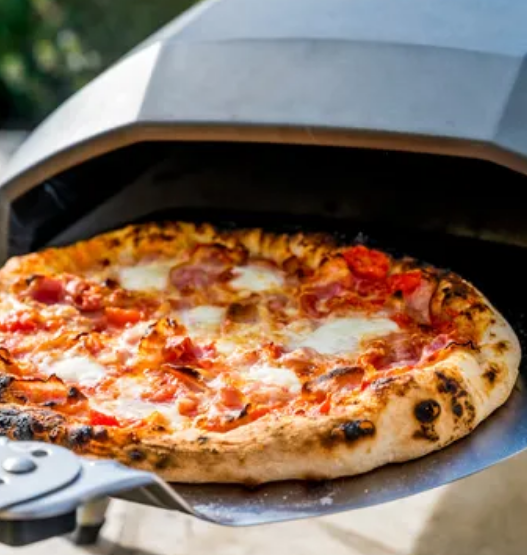
- Wood-fired pizza ovens in both commercial establishments and home kitchens
- Specialized ingredients imported directly from Italy
- Neapolitan-style pizzerias adhering to strict traditional standards
For pizza enthusiasts seeking to replicate these high-end experiences at home, specialized equipment has become increasingly accessible. Pizza ovens now range from portable models perfect for outdoor cooking to sophisticated indoor units capable of reaching 900°F temperatures needed for authentic Neapolitan pizza.
The Impact on Pizza Culture
The changing economics has inevitably affected how New Yorkers consume pizza. The quick, affordable slice that has served as an urban fuel for decades is becoming more of a considered purchase. This shift has prompted several notable trends:
- The rise of collaboration spaces – More people are enjoying pizza at home or in group settings rather than purchasing single slices
- Home pizza making growth – Sales of pizza-making equipment and specialty ingredients have surged
- Focus on value-added experiences – Pizzerias are enhancing their offerings with unique toppings, specialty ingredients, and improved ambiance
As Giovanni Lanzo lamented, “I never thought I’d see pizza slices hit a dollar, now all these places are selling them for $5. Ridiculous.” This sentiment resonates across the city’s pizza community, reflecting both frustration with rising costs and anxiety about preserving accessible pizza culture.
Looking Ahead: The Future of the Pizza Principle
The breaking of the pizza principle may be permanent, given the fundamental economic pressures affecting urban food service. However, this transformation has sparked innovation across the pizza industry.
Flagship pizzerias are increasingly emphasizing:
- Ingredient quality and sourcing
- Unique flavor combinations and techniques
- Sustainable practices behind pizza production
- Community-focused business models
For traditional slices, some pizzerias are finding creative ways to maintain accessibility while absorbing rising costs. This includes everything from optimizing operations to exploring alternative business models.
As MTA Chair Janno Lieber acknowledged at a recent board meeting, “I don’t know what the pizza principle would dictate at this point because folks have told me that we’re less than a slice in many cases.”
Practical Tips for Pizza Enthusiasts
For those looking to navigate this changing landscape:
- Best home pizza ovens – Investing in quality equipment can provide long-term savings and customization
- Pizza dough recipe – Mastering the fundamentals of dough making provides the foundation for most styles
- Artisanal ingredients – Quality flour, San Marzano tomatoes, and fresh mozzarella make significant differences
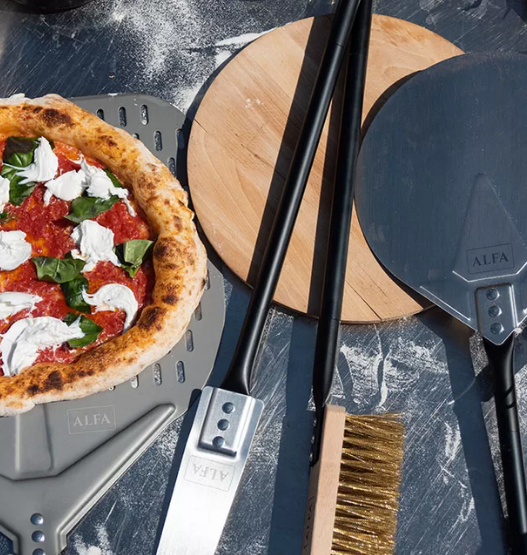
- Pizza making tools – From peels to pizza stones, proper equipment enhances the home experience
As we witness the surprising mathematical divergence between two quintessential New York experiences, we’re seeing more than just pricing – we’re witnessing the evolution of urban food culture in response to unprecedented economic challenges.
FAQ
How much did a slice of pizza cost historically compared to subway fares?
For decades, pizza slices and subway rides maintained nearly identical pricing, beginning in the 1960s and continuing through the early 2010s. In 1973, for example, a 35-cent subway ride compared to a 30-cent pizza slice that included a free Coke.
Why did pizza prices increase faster than subway fares?
Pizza prices have been impacted more significantly by inflation in three key areas: raw ingredients, labor costs, and especially commercial rent. Unlike the MTA, independent pizzerias cannot absorb these costs through public funding or subsidies.
What is the average price difference now?
As of 2025, the median pizza slice price is approximately $3.81, while subway fares are preparing to increase to $3.00 – creating a gap of more than 25%.
How are pizzerias adapting to these economic pressures?
Many are focusing on value-added experiences, improving ingredient quality, and optimizing operations. Some are embracing the artisanal pizza movement, while others are finding creative ways to maintain affordability.
Is this price gap likely to narrow in the future?
Given the fundamental differences in how the two industries are structured and funded, the gap is likely to persist or possibly increase. The pizza principle of parity may never return to its historic equilibrium.
This article contains affiliate links, which means Pizza Magazine may earn a commission if you make a purchase through them, at no extra cost to you. We only recommend products and services we genuinely believe in.