









Every February, as shoulder pads collide and halftime shows hijack the cultural bloodstream, another high-stakes performance unfolds behind the scenes — inside pizzerias.
Super Bowl Sunday isn’t just a busy night. It’s the busiest pizza sales day of the year in the United States, a logistical marathon where dough production, delivery routing, staffing, and supply chains are pushed to their absolute limits. For operators, it’s equal parts revenue windfall and operational crucible.
Understanding how the Super Bowl reshapes pizza commerce reveals more than game-day appetite. It exposes deeper trends in pizza shop marketing strategies, food service technology, and delivery infrastructure — the machinery powering modern pizzerias.
The Numbers Behind the Nation’s Biggest Pizza Day
The scale borders on mythological.
According to data from the American Pizza Community and major delivery platforms, millions of pizzas are ordered during Super Bowl weekend, with peak demand concentrated in a 4–5 hour window before kickoff.
Key consumption patterns include:
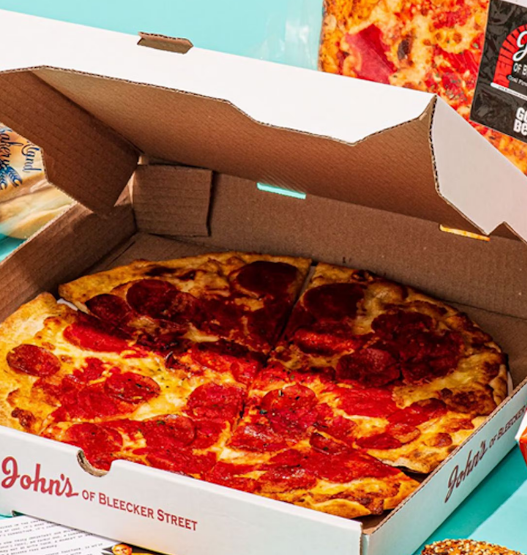
- Pepperoni remains the undisputed MVP topping.
- Chicken wings rival pizza in total volume.
- Group bundle orders spike average ticket sizes.
- Suburban delivery zones often outpace urban cores.
For independent operators, this surge can represent one of the top five revenue days of the entire year — sometimes eclipsing New Year’s Eve or Halloween.
Yet revenue doesn’t arrive friction-free.
Dough Production: The Hidden Battlefield
You can’t sell what you can’t ferment.
Super Bowl demand forces operators to rethink dough workflows days in advance. Scaling production without sacrificing fermentation quality is one of the most delicate balancing acts in pizza.
Shops that rely on long cold fermentation must:
- Increase batch sizes mid-week.
- Expand walk-in storage.
- Adjust yeast ratios to control proofing speed.
Many operators now rely on streamlined dough management systems to forecast volume, track proofing windows, and reduce waste when demand projections shift.
Temperature control becomes existential. A few degrees too warm, and dough overproofs before game time. Too cold, and service slows as skins resist stretching.
Veteran pizzaiolos often stage “just-in-case” dough trays — insurance policies against overtime games and halftime order surges.
Supply Chain Shockwaves
Super Bowl demand doesn’t start at the oven. It starts months upstream.
Flour mills, cheese producers, and meat processors all prepare for the surge. Mozzarella output alone spikes dramatically in Q1 to accommodate game-day volume.
Operators sourcing at scale frequently turn to a professional pizza suppliers directory to lock in bulk contracts on:
- High-gluten flour
- Whole milk mozzarella
- Pepperoni sticks
- Corrugated pizza boxes
- Wing sauces and sides
The keyword here is redundancy. Smart shops never rely on a single distributor before Super Bowl weekend. Weather disruptions, trucking delays, or warehouse shortages can derail service.
Sustainability has also entered the chat. Eco-conscious operators are increasingly sourcing compostable packaging and regionally milled flour through sustainable pizza sourcing networks — even for high-volume events.
Delivery Logistics: Controlled Chaos on Wheels
If dough is the battlefield, delivery is the air war.
Third-party platforms like DoorDash, Uber Eats, and Grubhub report some of their highest annual traffic during the Super Bowl. For pizzerias, this creates both opportunity and operational strain.
Challenges include:
- Driver shortages
- Traffic congestion near kickoff
- Multi-order routing inefficiencies
- Food temperature degradation
To counter this, many shops deploy pizza delivery software that optimizes driver routes in real time, stacks compatible orders, and tracks delivery ETAs.
Some operators even geo-fence their delivery radius — shrinking service zones to maintain quality and speed during peak hours.
Ghost kitchens and satellite pop-ups have also emerged as a tactical solution. By staging temporary production hubs closer to demand clusters, brands cut delivery times dramatically.
Menu Engineering for Maximum Throughput
You don’t run a Super Bowl menu the same way you run a Tuesday menu.
High-performing shops streamline offerings to protect kitchen flow. Complexity is the enemy of speed.
Common game-day menu adjustments include:
- Limited specialty pies
- Pre-portioned toppings
- Bundle deals (pizza + wings + soda)
- Family-size packages
Some brands create football-themed pies or regional rivalry specials to drive engagement — clever pizza shop marketing strategies that blend sports fandom with food theater.
Ingredient innovation also plays a role. Operators experimenting with hot honey drizzles, smoked meats, or plant-based toppings often test these flavors through limited Super Bowl releases.
Many chefs workshop these combinations using an AI-powered pizza recipe generator, refining flavor balance before committing to bulk prep.
Technology’s Expanding Role on Game Day
Modern Super Bowl operations look more like air traffic control than traditional food service.
Digital infrastructure now includes:
- Integrated pizza POS systems
- Real-time inventory tracking
- Automated order throttling
- SMS order updates
Order throttling, in particular, has become essential. When kitchens hit capacity, systems automatically delay new online orders to prevent service collapse.
Some shops even deploy predictive analytics, using historical sales data to forecast topping depletion rates down to the hour.
Automation hasn’t fully replaced human intuition — but it’s getting closer every season.
Staffing: The Human Element
Technology can route orders. It can’t toss dough.
Super Bowl staffing requires over-scheduling across every role:
- Line cooks
- Dough stretchers
- Oven tenders
- Phone staff
- Drivers
Veteran operators treat the day like a holiday — offering bonuses, catered staff meals, and performance incentives to maintain morale during the rush.
Training matters too. New hires rarely work Super Bowl shifts unsupervised. Speed without accuracy leads to remakes, and remakes are catastrophic when ovens are fully booked.
Marketing Before Kickoff
Game day sales don’t start on Sunday. They start weeks earlier.
High-performing shops deploy layered campaigns:
- Email preorder promotions
- SMS reminders
- Social media countdowns
- Limited-time bundles
Preorders are gold. Every pie sold before Sunday reduces operational uncertainty.
Loyalty programs also spike engagement. Offering double points or exclusive game-day discounts drives repeat ordering behavior — especially among delivery-first customers.
Operators looking to refine retention often study case breakdowns inside The Pizza Weekly’s customer loyalty playbook for independent pizzerias, where data-driven rewards programs are dissected in detail.
Equipment Stress and Kitchen Throughput
Super Bowl volume stress-tests equipment like no other day.
Ovens run continuously for hours. Refrigeration units cycle constantly. Dough presses, slicers, and prep stations operate at maximum throughput.
Shops scaling for growth often invest in:
- Double-stack deck ovens
- Conveyor ovens for volume
- High-capacity refrigeration
- Commercial dough presses
Equipment redundancy is critical. If a single oven fails mid-rush, revenue loss compounds by the minute.
Forward-thinking operators conduct maintenance checks weeks before kickoff — a ritual as sacred as mise en place.
The Cultural Gravity of Pizza and Football
Why pizza?
The answer lives at the intersection of sociology and ergonomics.
Pizza is:
- Shareable
- Customizable
- Portable
- Reheatable
It feeds groups without interrupting the viewing experience. No utensils. No plating. Maximum caloric morale per square inch.
Historically, pizza’s Super Bowl dominance accelerated in the 1980s alongside national delivery chain expansion. As televised football grew into a cultural mega-event, pizza scaled alongside it — the edible infrastructure of fandom.
Frequently Asked Questions
Why do pizzerias sell so much pizza on Super Bowl Sunday?
The Super Bowl combines massive group gatherings with long viewing periods. Pizza’s shareability and delivery convenience make it the default food choice, driving the highest annual order volume for most pizzerias.
How far in advance do pizza shops prepare for the Super Bowl?
Serious preparation begins weeks ahead. Operators forecast dough production, secure bulk ingredients, schedule staff, service equipment, and launch preorder marketing campaigns well before game week.
What toppings are most popular on Super Bowl Sunday?
Pepperoni leads by a wide margin, followed by sausage, extra cheese, and specialty meat combinations. Chicken wings and combo deals also see enormous demand.
Do independent pizzerias or chains benefit more?
Both benefit, but independents often see higher per-order ticket sizes due to premium ingredients and bundle offerings. Chains, however, dominate total order volume through scale and delivery infrastructure.
How do pizzerias handle delivery overload?
Many deploy advanced routing software, limit delivery zones, throttle online orders, and increase driver staffing to maintain service speed and food quality.
The Future of Super Bowl Pizza Operations
The trajectory points toward deeper automation, smarter forecasting, and decentralized production.
Expect to see:
- AI demand prediction models
- Robotic dough stretching pilots
- Drone delivery experiments
- Hyperlocal ghost kitchens
Super Bowl Sunday will likely remain pizza’s commercial apex — but the mechanics behind it will evolve as technology reshapes food logistics.
At its core, though, the equation stays beautifully simple: fire, dough, cheese, and human celebration synchronized around a glowing screen.
Football may crown the champions, but every Super Bowl Sunday, pizza quietly wins the nation.
Affiliate Disclaimer
This article contains affiliate links, which means The Pizza Weekly may earn a commission if you make a purchase through them, at no extra cost to you. We only recommend products and services we genuinely believe in.