







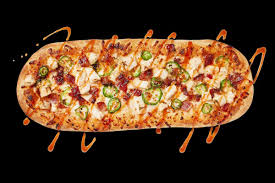




If you’ve ever waited in that legendary line on Wooster Street in New Haven, you know Sally’s Apizza is not just another slice—it’s a piece of pizza history baked in a coal-fired oven.
Now, Sally’s wants to go from neighborhood cult favorite to national player, with a plan that could see it grow to 1,000 locations across the U.S.—putting it in the same conversation as Domino’s, Pizza Hut, Little Caesars, and Papa Johns.
That’s not hype. As Sally’s brand advisor Christian Bonaventura put it in a recent statement:
“Sally’s ambition is to be the Chipotle of pizza. We mean over 1,000 units nationwide.”
This article breaks down what that expansion really means—for pizza enthusiasts, pizza shop owners, and pizza suppliers—and how the New Haven icon fits into the broader story of modern pizza, from coal-fired heritage to food-tech, delivery, and sustainability.
Along the way, you’ll find links to the best home pizza gear, high-level pizza shop tools, and trusted suppliers, all curated through a pizza-first lens.
How Big Is Sally’s Apizza Compared to Domino’s and Pizza Hut?
According to PMQ Pizza’s “Pizza Power Report 2026”, if Sally’s reaches its publicly stated goal of 1,000 locations, it would rank around 7th largest in the U.S. by store count.
To put that in perspective:
- Domino’s, Pizza Hut, Little Caesars and Papa Johns each operate 3,200+ locations.
- Around 1,000 units would place Sally’s between:
- Papa Murphy’s (1,044 locations), and
- Hungry Howie’s (516 locations).
Right now, Sally’s sits at 7 locations with 11 more planned, after being sold by the Consiglio family to Lineage Hospitality in 2017. Even a scaled-back version of its growth plan—about 255 locations in 12 states—would still make it one of America’s most influential pizza brands.
For comparison:
- Connecticut’s current biggest chain, Frank Pepe Pizzeria Napoletana, has 17 locations.
- At ~255 stores, Sally’s would leapfrog many regional players and land in the same tier as Blaze Pizza and Simple Simon’s Pizza, where annual sales often exceed $250 million.
Growth at “Chipotle Speed”? Why Sally’s Plan Is So Aggressive
To hit 1,000 locations, Sally’s would need to grow at a pace that no top-30 chain is currently matching.
- 32 new stores per year to reach 1,000 by 2056
- Nearly 50 new stores per year to hit that target by 2046
By contrast, PMQ’s data shows that the fastest-growing major chain, Ledo Pizza, added 18 stores in a year—15.3% growth, impressive but far slower than the pace Sally’s is hinting at.
Even the more modest target of 255 locations in 20 years would demand almost 12 new stores every year—still an aggressive push when many chains are closing locations or growing in the low single digits.
For pizza shop owners, that level of ambition raises important questions:
- How do you scale a brand built on a specific oven type and dough style?
- How do you protect product consistency across dozens or hundreds of units?
- And how do you maintain brand mystique when your logo is suddenly on every highway exit?
What Makes Sally’s Apizza Different from the Big Pizza Chains?
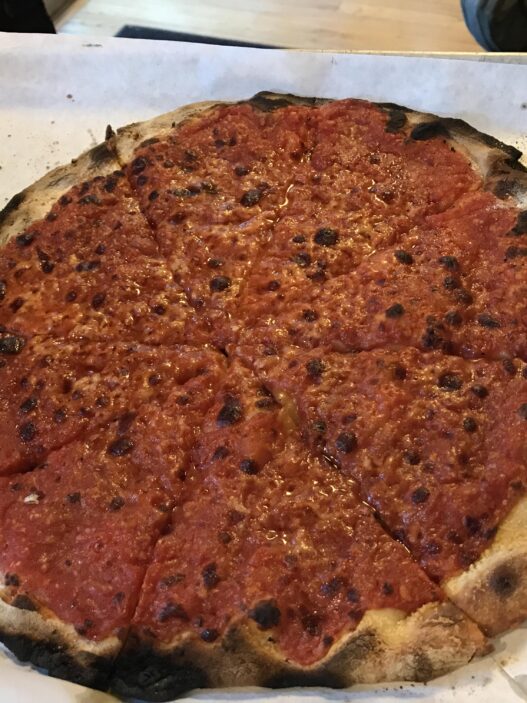
Sally’s isn’t trying to be Domino’s with a New Haven accent. The core of its pitch is its coal-fired “ah-beetz”—a style deeply rooted in Wooster Square history and the immigrant story of Connecticut’s Little Italy.
Key differentiators:
- Coal-fired, blistered crust with deep char
- Sparse, flavorful toppings, not overloaded cheese
- Long fermentation and a more artisanal pizza ingredients focus
- A story tied directly to 1938 New Haven pizza culture
If you’re curious about the deeper pizza history facts behind New Haven’s style and how it compares with New York, Neapolitan, and Detroit, check out our guide to pizza history facts.
But here’s the strategic twist:
PMQ’s 2026 report lists top-trending styles as:
- Chicago tavern-cut
- Detroit-style
- Chickpea crust
- Flatbread
- Neapolitan
- New York-style
Coal-fired New Haven-style isn’t on that list. That doesn’t mean it can’t scale—but it does mean Sally’s is betting on story and distinctiveness, not just following trend curves.
What Sally’s Expansion Means for Home Pizza Makers
If you’re a home pizzaiolo, the Sally’s story is a masterclass in how a single, focused style can define a brand.
You probably don’t have a coal-fired deck in your backyard—but you can mimic New Haven intensity with the right:
- best home pizza oven (gas or electric, 700–900°F+)
- Heavy pizza stone or baking steel
- Long-fermentation pizza dough recipe
- Quality artisanal pizza ingredients like low-moisture mozz, San Marzano-style tomatoes, and cold-pressed olive oil
- Essential pizza making tools like peels, turning peels, infrared thermometers, and dough boxes
If you want to push your dough game, start with this:
- Use a 48–72 hour cold ferment dough (we recommend dialing in your formula via a smart pizza dough recipe).
- Preheat your stone/steel for at least 45–60 minutes at max temp.
- Aim for a thin, crisp base with light cornicione charring—New Haven’s hallmark.
For more structured techniques, see our deep-dive on home oven setups and gear in our best home pizza oven guide.
Lessons for Pizza Shop Owners: Scaling Without Losing Soul
Sally’s journey from single-location institution to multi-state chain is the exact path many ambitious pizza shop owners dream about—just on rocket fuel.
Here’s what shop owners can take away:
1. Build a Signature, Defensible Style
In a world full of generic slices, Sally’s leans all the way into:
- A recognizable coal-fired bake
- A tight, disciplined menu
- A story dating back to Salvatore Consiglio in 1938
If you’re planning to grow:
- Codify your house style in detail (hydration %, fermentation time, oven type).
- Train with systems—not vibes alone.
- Document everything so it survives beyond the original crew.
2. Invest in the Right Tech Stack
Even old-school brands now live and die by their tech:
- A robust pizza POS system that handles modifiers, online orders, and loyalty
- Smart pizza delivery software that syncs with third-party platforms
- Restaurant marketing software to run SMS, email, and loyalty campaigns
We’ve broken down the best pizza shop marketing strategies—from local SEO to TikTok-ready content—in our guide to pizza shop marketing strategies.
3. Standardize Production Without Killing Craft
Chains that survive scaling typically invest in heavy-duty gear:
- Commercial mixers to keep dough consistent across shifts
- Dough presses where style allows, to take pressure off hand-stretching
- Smart use of make-lines, walk-ins, and proofing cabinets
Even if you never want 1,000 stores, a clear playbook and the right food service technology pizza stack will protect margins and reduce chaos.
Opportunities for Pizza Suppliers and Equipment Makers
Sally’s potential move into hundreds of locations is not just a brand story; it’s a supply chain story.
For pizza suppliers, it signals growing demand in:
- Bulk pizza ingredients (flour, tomatoes, cheese, olive oil) with tight spec control
- Commercial pizza equipment—ovens, hoods, refrigeration, and prep lines
- Sustainable pizza sourcing, including recycled packaging, greener ovens, and better energy management
If you’re a mill, cheese producer, importer, or equipment maker, this is prime time to ensure you’re visible to growth-focused brands. Our curated pizza suppliers directory is a strong starting point to showcase your offering to the next wave of regional chains.
For more on sustainability, see our breakdown of sustainable pizza sourcing.
Pizza Trends vs. Tradition: Can New Haven-Style Go National?
The PMQ report offers a gentle warning: of the six top-trending pizza styles for 2026, five don’t align directly with Sally’s coal-fired, New Haven-style pie.
But trends and brands don’t always move together.
- Trends chase novelty: chickpea crusts, tavern cuts, and flatbreads.
- Brands like Sally’s lean on decades of reputation, culinary tourism, and media coverage.
Sally’s advantage is the mythology of New Haven—a destination city for pizza devotees. As tourism boards and social media continue to push “pizza trails” and regional pilgrimages, that story can travel even where coal-fired ovens can’t.
And for home cooks, emulating that story—using the best home pizza oven you can afford, dialed-in dough from pizza dough recipe, and carefully chosen artisanal pizza ingredients—is part of the fun.
FAQs: Sally’s Apizza, Home Pizza, and the Future of the Slice
Is Sally’s Apizza really trying to compete with Domino’s and Pizza Hut?
Sally’s isn’t copying Domino’s or Pizza Hut on speed or discounting. Instead, it’s aiming to become a nationally recognized, premium pizza chain grounded in New Haven pizza history. With a target of up to 1,000 locations, it would sit below the mega-chains in size but above most regional players.
What’s the best way to recreate Sally’s-style pizza at home?
You’ll want:
- A high-heat best home pizza oven or a regular oven with a hot stone/steel
- A long-fermented dough from a reliable pizza dough recipe
- Minimal, high-quality toppings and a focus on char, not fluff
We also recommend a solid pizza stone, sturdy pizza peel, and a precise thermometer.
What are the most important pizza making tools for serious home pizzaioli?
At minimum:
- Pizza making tools kit: peel, turning peel, cutter, dough scraper
- A reliable pizza stone or steel
- A compact best home pizza oven if your budget allows
You can level up further with scale-accurate dough formulas and artisanal pizza ingredients from sources like pizzaiolo.ai.
How can pizza shop owners prepare to scale like Sally’s?
Start by:
- Implementing a robust pizza POS system and pizza delivery software
- Standardizing recipes and training
- Investing in commercial mixers, dough presses, and durable cleaning equipment
- Building a real marketing engine—see our pizza shop marketing strategies guide.
Where can I find reliable suppliers for bulk pizza ingredients and equipment?
For vetted bulk pizza ingredients, commercial pizza equipment, and long-term supply partners, explore our pizza suppliers directory, which highlights producers and distributors that understand the realities of pizzerias and growing chains.
Affiliate Disclosure
This article contains affiliate links, which means Pizza Magazine may earn a commission if you make a purchase through them, at no extra cost to you. We only recommend products and services we genuinely believe in.