









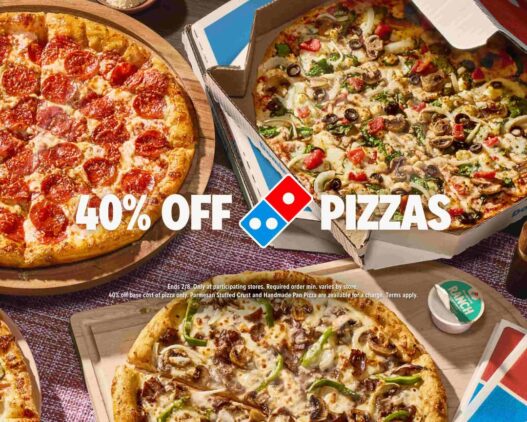
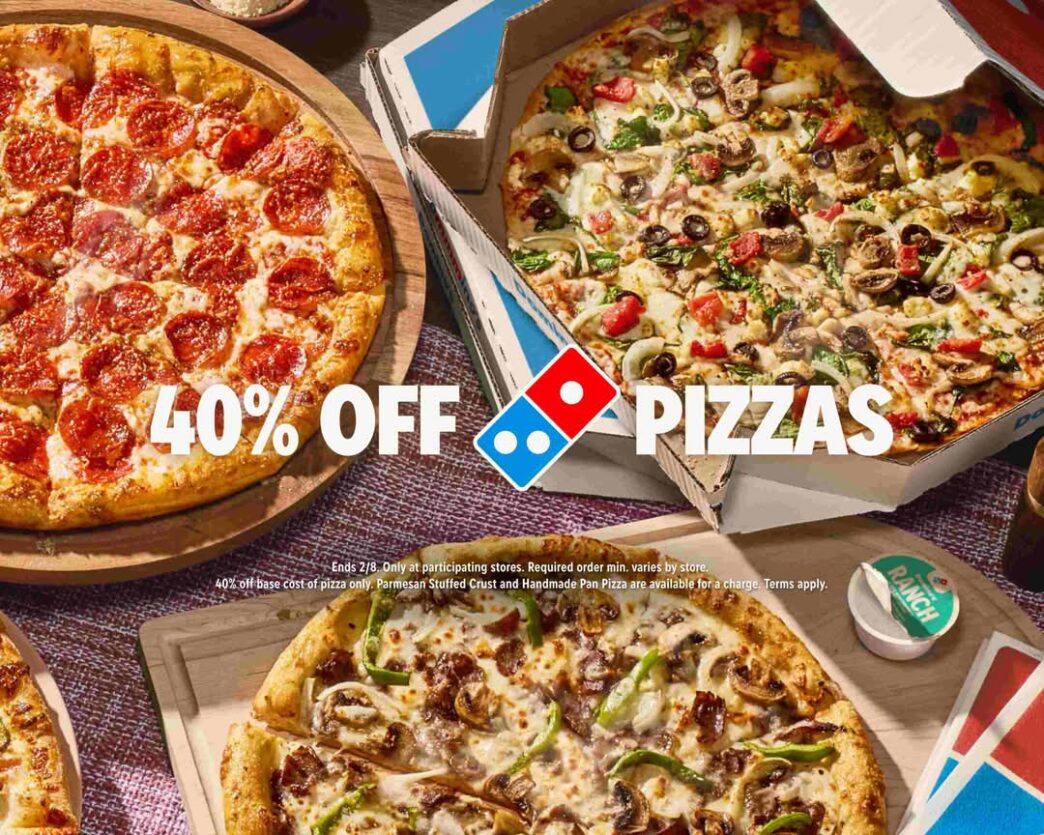

The pizza industry loves a comeback story. Dough rises, empires fall, and sometimes a chain everyone thought they’d figured out quietly rewrites the rules. Over the past two years, Domino’s Pizza has staged one of the most instructive revivals in modern foodservice, reclaiming market leadership not by chasing trends, but by mastering fundamentals: value, speed, technology, and loyalty.
For pizza enthusiasts, this story explains why your delivery app keeps nudging you toward blue-and-red tiles. For shop owners and operators, it’s a case study in how smart systems beat nostalgia. And for suppliers and industry professionals, it’s a signal flare pointing toward where the category is headed next.
At The Pizza Weekly, we don’t just track who’s winning—we ask why, and what the rest of the pizza universe can learn from it.
The Pizza Industry’s Lost Monopoly on Delivery
For decades, pizza held a near-monopoly on home delivery. Before apps, before marketplaces, before algorithmic nudges, pizza was the one cuisine that arrived hot, fast, and reliably. That advantage quietly evaporated during the pandemic, when third-party delivery platforms normalized everything from ramen to burritos showing up at your door.
Industry analysts point out that this shift permanently altered pizza economics. Once the gatekeeper of delivery, pizza became just another tile in a crowded app grid. Margins tightened. Competition intensified. Local shops multiplied because pizza’s low barrier to entry—simple equipment, limited space—made it one of the easiest cuisines to launch.
In that chaos, Domino’s didn’t panic. It optimized.
Value as a Strategy, Not a Discount
Domino’s resurgence wasn’t built on flash. It was built on relentless value engineering.
Rather than blanket discounting, the company sharpened how—and when—it advertised value. Executives leaned into a tiered loyalty program that lowered the cost of entry, made points easier to redeem, and rewarded frequency over one-time deals. The result was a feedback loop: more users meant better targeting, which meant better offers, which meant more users.
For independent operators, this mirrors a broader shift toward customer lifetime value instead of one-off promotions. Even small shops can borrow this logic using modern pizza POS systems and customer loyalty pizza platforms that track behavior instead of guessing at it.
Technology as the Real Secret Sauce
Pizza is an ancient food, but the winners now treat it like a software business.
Domino’s invested early—and heavily—in ordering tech, delivery optimization, and data infrastructure. Its recent partnership with major delivery platforms wasn’t about surrendering control; it was about meeting customers where they already were, while still owning the backend relationship.
For pizza shop owners, this underscores a crucial point: technology is no longer optional overhead. Tools like integrated online ordering, automated marketing, and delivery management are now core ingredients. Many operators are pairing modern ordering stacks with streamlined dough management systems to align front-of-house demand with back-of-house production in real time.
At scale, this kind of integration reduces waste, stabilizes labor, and keeps quality consistent—even during rushes.
What This Means for Dough, Ingredients, and Suppliers
When large chains optimize, the ripple effects reach all the way back to flour mills and cheese vats.
As demand becomes more predictable, operators increasingly rely on bulk pizza ingredients and long-term sourcing relationships. This is driving renewed interest in sustainable pizza sourcing, heritage grains, and supply partners who can deliver consistency without sacrificing transparency.
For professionals navigating this landscape, curated professional pizza suppliers directories are becoming essential—not just for finding vendors, but for comparing logistics, certifications, and regional availability. Meanwhile, smarter dough workflows are pushing both chains and independents toward tools that help forecast fermentation, manage cold storage, and scale recipes without guesswork.
Lessons for Home Pizza Makers (Yes, You Too)
Domino’s comeback isn’t just corporate chess. It holds surprising insights for home pizza makers.
Consistency beats complexity. Domino’s didn’t win by reinventing pizza; it refined execution. The same principle applies at home. A reliable pizza dough recipe, quality artisanal pizza ingredients, and the right pizza making tools matter more than chasing novelty.
Serious enthusiasts investing in a best home pizza oven or a baking steel for home ovens often see bigger gains than endlessly tweaking hydration percentages. Pair those tools with thoughtfully designed dough workflows and recipe planning from an AI-powered pizza recipe generator, and suddenly home pizza starts punching well above its weight.
Pizza Shop Marketing in a Post-Loyalty World
One of Domino’s most overlooked moves was lowering friction. Joining its loyalty program became easy. Redeeming rewards became intuitive. Marketing became personal instead of loud.
For independent shops, effective pizza shop marketing strategies now hinge on clarity and trust. Customers don’t want ten emails a week. They want relevance. Operators using modern CRM and loyalty software can segment offers, reward regulars, and communicate value without racing to the bottom on price.
Add efficient pizza delivery software and integrated payment flows, and small shops can now operate with a sophistication that used to be exclusive to chains.
The Bigger Picture: Pizza’s Next Chapter
Domino’s didn’t “regain its crown” because people suddenly loved pizza more. It won because it adapted faster to a world where pizza is no longer special by default.
The next era of pizza will belong to those who combine:
- Operational discipline
- Smart technology
- Intentional sourcing
- Clear value propositions
Whether you’re stretching dough at home, running a neighborhood shop, or supplying flour to half a state, the lesson is the same: pizza still rewards those who respect both its history and its future.
And that, frankly, is a very pizza thing to do.
Frequently Asked Questions
What made Domino’s regain its leadership in the pizza industry?
Domino’s focused on value, technology, and loyalty rather than relying on delivery dominance alone. Its investment in digital ordering, targeted marketing, and an accessible loyalty program created a sustainable competitive edge.
Is pizza delivery still profitable for independent shops?
Yes, but margins depend heavily on technology choices. Shops using efficient pizza POS systems, direct online ordering, and smart delivery software tend to outperform those relying solely on third-party apps.
How can small pizza shops compete with big chains?
By focusing on consistency, local identity, and smarter operations. Leveraging modern dough management systems, loyalty programs, and targeted marketing helps independents compete without matching big-chain budgets.
What tools matter most for serious home pizza makers?
High-quality ovens or baking steels, reliable dough workflows, and thoughtfully sourced ingredients matter more than novelty gadgets. Consistency is the real upgrade.
Are loyalty programs still effective for pizza businesses?
When designed well, yes. Simple, transparent rewards tied to real customer behavior outperform complex systems that feel restrictive or confusing.
This article contains affiliate links, which means The Pizza Weekly may earn a commission if you make a purchase through them, at no extra cost to you. We only recommend products and services we genuinely believe in.