







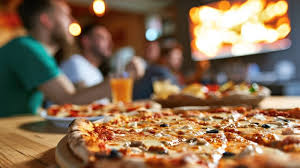

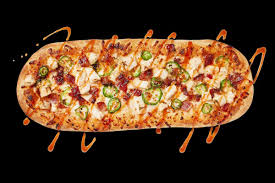




Pizza didn’t arrive in the United States as a single recipe or even a single idea. It arrived as a rumor—carried in immigrant memories, improvised in cramped apartments, and slowly adapted to American ovens, ingredients, and appetites. Today, pizza is both a national obsession and a personal craft, stretching from New York coal ovens to backyard patios glowing with flame. This feature explores how pizza evolved across the U.S., why that history matters now, and how modern home pizza makers can tap into it with intention and flavor.
Pizza History Facts: How America Rewrote an Italian Classic
When Italian immigrants brought pizza to the U.S. in the late 19th and early 20th centuries, they weren’t exporting a luxury food. Pizza was street food—cheap, filling, and flexible. In cities like New York, New Haven, and Trenton, early pizzerias adapted quickly to local conditions: different flours, different ovens, different customers.
Coal-fired ovens, abundant on the East Coast, pushed baking temperatures higher than most home kitchens could manage. That heat created blistered crusts, smoky char, and a new American identity for pizza. Chicago went in another direction entirely, building pies upward with steel pans and unapologetic layers. Detroit followed with rectangular pizzas baked in industrial trays, crisping cheese against the edges like culinary rebellion.
These regional styles weren’t accidents. They were responses to infrastructure, immigration patterns, and ingredient access—an early lesson in sustainable pizza sourcing before the phrase existed.
Why Pizza’s Past Shapes Today’s Home Pizza Boom
Fast-forward to now. Home pizza makers aren’t just copying restaurant pies; they’re reenacting history in miniature. The rise of the best home pizza oven mirrors the old coal-to-gas transition, only now it’s propane, wood pellets, or high-powered electric elements. Backyard ovens routinely hit 800°F, collapsing the distance between professional and domestic pizza.
This revival also explains the renewed fascination with pizza dough recipe experimentation. Heritage grains, long fermentation, and hydration tweaks are all ways of reclaiming lost nuance. Dough is no longer just a base; it’s the biography of your pizza.
Many serious enthusiasts now rely on a streamlined dough management system to track fermentation times, temperatures, and scaling—tools once reserved for commercial kitchens but now accessible to obsessive home bakers.
Artisanal Pizza Ingredients: What Actually Matters
It’s tempting to chase rare toppings or imported cheeses, but the biggest gains come from fundamentals.
Flour quality dictates structure. Tomatoes determine balance. Fat—olive oil, cheese, or both—carries aroma. Sourcing these well doesn’t require a wholesale account, but understanding the supply chain helps. Professional kitchens increasingly turn to a professional pizza suppliers directory to vet mills, cheese producers, and sustainable farms. Home cooks benefit from the same transparency.
When inspiration runs dry, many turn to an AI-powered pizza recipe generator to explore new dough formulas or topping combinations rooted in classic ratios. Technology, in this case, doesn’t replace intuition; it sharpens it.
Pizza Making Tools That Changed Everything
A generation ago, home pizza meant sheet pans and hope. Today’s toolkit is precise, almost scientific.
A baking steel for home ovens mimics the thermal mass of commercial decks, transferring heat aggressively into the dough. A high-temperature pizza stone offers gentler, more forgiving results. Long-handled peels reduce heat loss and panic. Infrared thermometers eliminate guesswork.
The real shift, though, is mindset. Pizza making tools now support repeatability. You can test variables—hydration, bake time, sauce thickness—and actually learn from the results.
The Modern Dough Workflow: Think Like a Pizzeria
Professional shops obsess over dough because it controls labor, cost, and quality. Home bakers can borrow that discipline.
Planning dough two or three days ahead allows enzymes to unlock flavor and extensibility. Cold fermentation smooths scheduling. Scaling recipes accurately avoids waste. These practices mirror what operators manage through a streamlined dough management system, just on a smaller scale.
The payoff is consistency. One great pizza is luck. Ten great pizzas is process.
Regional Styles as Creative Constraints
Understanding American pizza history isn’t about nostalgia; it’s about constraints. Each regional style solved a specific problem.
New York pizza optimized for speed and portability. Chicago optimized for caloric density and table service. California pizza prioritized seasonal produce and culinary cross-pollination. When home cooks choose a style, they choose a rule set—and rules unlock creativity.
Exploring these styles through curated guides on The Pizza Weekly—like our deep dives into regional dough hydration or oven geometry—helps bakers decide what to emulate and what to remix.
Where Home Pizza Is Headed Next
The next wave of home pizza will look oddly professional. Expect more attention to artisanal pizza ingredients, more data-driven fermentation, and tighter feedback loops between enthusiasts and industry pros.
Sustainability will matter more. Locally milled flour, regionally produced cheese, and seasonal toppings reduce environmental cost while increasing flavor specificity. The line between home cook and micro-operator will continue to blur, especially as food media and technology collapse learning curves.
Pizza has always been democratic. That’s its superpower.
Frequently Asked Questions
What is the best home pizza oven for authentic results?
The best home pizza oven is one that consistently reaches 700–900°F and recovers heat quickly between bakes. High heat enables rapid oven spring and proper charring, closely mimicking commercial conditions.
How do I make a better pizza dough recipe at home?
Focus on fermentation time rather than complexity. Use quality flour, control temperature, and allow at least 24–72 hours of cold fermentation for flavor and extensibility.
Are artisanal pizza ingredients really worth it?
Yes, especially for flour and tomatoes. Higher-quality ingredients provide better fermentation behavior and cleaner flavors, which matter more in minimalist pizzas.
What pizza making tools are essential for beginners?
Start with a baking surface (steel or stone), a peel, and a digital scale. These tools improve consistency far more than exotic gadgets.
How does pizza history influence modern pizza styles?
Regional pizza styles evolved from local ovens, ingredients, and cultural needs. Understanding that history helps modern makers choose techniques that align with their goals and equipment.
This article contains affiliate links, which means The Pizza Weekly may earn a commission if you make a purchase through them, at no extra cost to you. We only recommend products and services we genuinely believe in.