






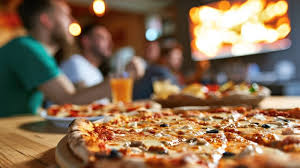

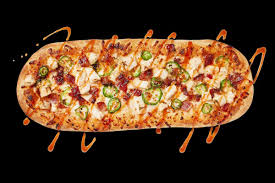

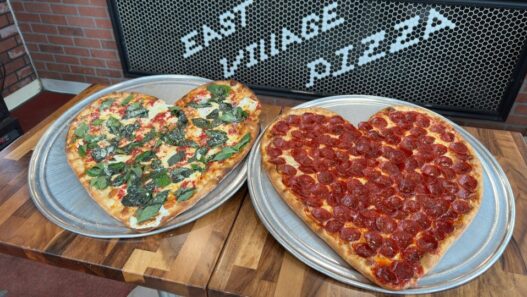
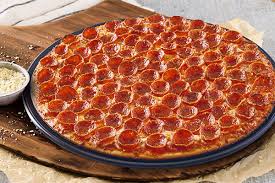

Donatos Pizza has always lived in an interesting tension. Born in Columbus, Ohio, in 1963, it built its reputation on thin, edge-to-edge-topped pies long before “Midwest tavern-style” became a national talking point. Now, as the brand enters 2026 with renewed national momentum, Donatos finds itself navigating a question that defines modern pizza culture: how do you scale without losing your soul?
According to recent industry reporting, Donatos is leaning hard into innovation—new store formats, technology investments, and strategic partnerships—while still anchoring itself in the quality standards that made it famous . For pizza enthusiasts, shop owners, and suppliers alike, the brand’s moves offer a revealing case study in where American pizza is headed next.
Innovation as a Survival Skill in the Pizza Economy
Pizza is no longer just a restaurant category; it’s an ecosystem. Home pizza makers are investing in the best home pizza oven setups, operators are juggling delivery algorithms, and suppliers are racing to meet demand for consistency at scale. Donatos’ 2026 strategy reflects that reality.
The brand has doubled down on menu innovation, experimenting with limited-time offerings that nod to regional tastes while remaining operationally efficient. This mirrors a wider industry trend: successful chains are treating their menus like living documents, not static lists. The lesson for independents is clear—innovation doesn’t have to mean chaos if your systems are solid.
For operators refining their own workflows, this is where a streamlined dough management system becomes less of a luxury and more of a survival tool. Consistency is what allows creativity to flourish without wrecking food costs or labor schedules.
Dough: The Quiet Backbone of National Expansion
Donatos’ famously thin crust is deceptively simple. Behind it sits a tightly controlled dough process designed for repeatability across hundreds of locations. As chains expand, dough stops being a romantic notion and becomes a logistics challenge.
This is a pressure point for the entire industry. Whether you’re a home baker perfecting a pizza dough recipe or a multi-unit operator managing bulk fermentation, the same principles apply:
- Hydration and temperature control matter more than fancy toppings.
- Dough timelines dictate labor, not the other way around.
- Scaling requires systems, not just skill.
Brands that invest early in intelligent dough workflows—supported by digital planning tools and clear SOPs—are better positioned to innovate later. It’s not glamorous, but it’s foundational.
Technology on the Front Line: From POS to Pizza Box
Donatos’ national growth is also powered by technology choices that reflect broader shifts in food service technology for pizza. Integrated POS systems, smarter inventory tracking, and data-driven marketing are no longer optional.
For pizza shop owners watching this from the sidelines, the takeaway isn’t to copy Donatos’ tech stack wholesale. It’s to understand the principle: technology should reduce friction, not add novelty for novelty’s sake.
Even at home, this trickles down. The rise of precision tools—digital scales, infrared thermometers, and high-temperature baking surfaces—has changed how enthusiasts approach pizza night. A baking steel for home ovens isn’t just gear; it’s a democratization of professional heat management.
Suppliers in the Spotlight: Scaling Without Cutting Corners
National expansion puts enormous pressure on sourcing. Flour specs tighten. Cheese performance gets scrutinized. Packaging suddenly matters at scale. Donatos’ growth underscores why strong relationships with professional pizza suppliers directory resources are critical.
For suppliers, the opportunity is clear: brands want partners who can deliver consistency, transparency, and sustainability. For operators, especially independents, tapping into a centralized sourcing ecosystem can level the playing field against national chains.
This is also where sustainability enters the conversation. As consumers ask tougher questions about ingredients and origins, pizza brands that can point to responsible sourcing gain a quiet but powerful advantage.
What Donatos Teaches Home Pizza Makers
It might seem odd to look to a national chain for home pizza inspiration, but there’s wisdom here. Donatos’ discipline around process is exactly what many home cooks lack.
If you’re chasing better results at home:
- Focus on artisanal pizza ingredients that perform consistently.
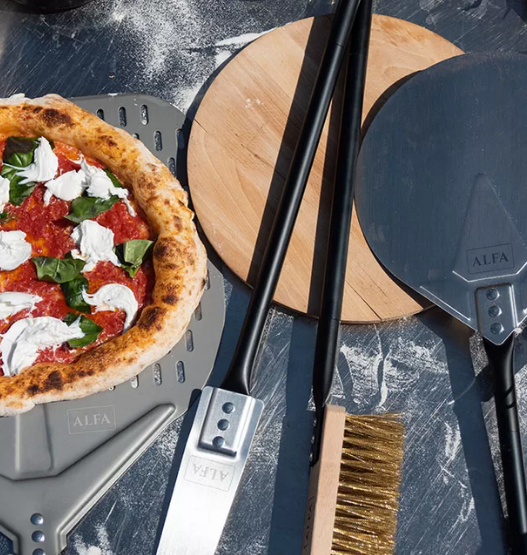
- Invest in pizza making tools that solve specific problems, not gadgets.
- Treat dough as a system, not a last-minute task.
Many home bakers are now turning to AI-powered pizza recipe generator platforms to experiment with formulations that balance creativity and structure. That blend—playful but precise—is the same balance Donatos is trying to strike at scale.
Marketing Momentum and the Power of Nostalgia
Part of Donatos’ 2026 push is cultural, not just operational. The brand is leaning into its Midwestern roots while presenting itself as nationally relevant. This is smart pizza shop marketing.
Nostalgia works when it’s paired with relevance. For independents, the lesson is to tell your story clearly, then back it up with modern convenience: online ordering, loyalty programs, and consistent quality.
National brands can afford massive campaigns. Local shops win by being authentic and frictionless.
Frequently Asked Questions
How is Donatos Pizza expanding nationally in 2026?
Donatos is focusing on strategic partnerships, flexible store formats, and technology investments that support consistency across markets. This allows the brand to grow without diluting its core product identity .
What can independent pizza shops learn from Donatos’ strategy?
The biggest lesson is systemization. Clear dough workflows, smart sourcing, and tech that reduces friction make it easier to innovate without increasing risk.
Does national expansion mean sacrificing pizza quality?
Not necessarily. Brands that invest in standardized processes and reliable suppliers can maintain quality while scaling, though it requires discipline and constant oversight.
Are thin-crust pizzas harder to scale than other styles?
Thin crust demands tighter control over dough hydration, fermentation, and bake profiles. That makes systems even more important, but not impossible to scale.
How can home pizza makers apply these lessons?
By focusing on process: consistent dough management, reliable tools, and thoughtful ingredient choices. Precision at home leads to creativity, not constraint.
The Bigger Slice: Pizza’s Next Chapter
Donatos’ 2026 innovation push isn’t just about one brand’s growth. It’s a snapshot of a pizza industry in transition—where tradition and technology are no longer rivals but uneasy collaborators.
For enthusiasts, it’s an invitation to take process seriously without losing joy. For operators, it’s proof that systems create freedom. For suppliers, it’s a reminder that consistency is the most valuable ingredient of all.
Pizza has always been a humble food with grand ambitions. Donatos is betting that the future belongs to those who respect both.
This article contains affiliate links, which means The Pizza Weekly may earn a commission if you make a purchase through them, at no extra cost to you. We only recommend products and services we genuinely believe in.