












The neon glare of Las Vegas just got a little warmer.
Amedeo Pizza Italian Café has opened its doors in the heart of Sin City, bringing genuine Italian hospitality and handcrafted pizzas to a market that has quietly become one of America’s most serious pizza towns. This family-owned café is more than another opening on a crowded restaurant strip; it’s a sign of how deeply diners now crave artisanal pizza ingredients, time‑honored techniques, and a slower, more human style of hospitality in a city built on speed and spectacle.
From Naples to Nevada: A Journey Measured in Dough and Time
The story of Amedeo Pizza Italian Café doesn’t begin in the Nevada desert, but on the worn stone of Naples’ streets.
According to the restaurant’s founding narrative, the journey started in 2000, when founder Raphael fell hard for Italy’s flavors and rituals during a culinary trip through Naples. He watched pizzaiolos turning simple dough into blistered, fragrant rounds, listened to them argue about hydration and fermentation, and understood that what looked effortless was anything but.
Inspired by the strict, almost obsessive heritage of Neapolitan pizza-making, Raphael decided to carry that tradition home to Las Vegas—without sanding off its edges for tourists.
“Our mission has always been to share the heart of Italian cuisine with our Las Vegas community,” a representative from Amedeo Pizza Italian Café said in a recent press release. “Every dish we serve is made with care, tradition, and a commitment to genuine hospitality. We want our guests to feel like they’re dining in Italy, without leaving home.”
That isn’t just marketing language. It marks a quiet shift in Las Vegas dining culture. For decades, the city was defined by all‑you‑can‑eat buffets, celebrity chef palaces, and concepts designed more for Instagram than for repeat locals. Now, a growing share of diners is seeking out family-owned dining rooms that prioritize craft over drama, ingredient quality over gimmicks, and heritage over hype.
Amedeo steps neatly into that lane.
The Craft: What “Authentic Italian Pizza” Really Means in Las Vegas
In a city where you can find everything from dollar slices to Detroit-style slabs, what actually sets Amedeo apart?
The answer is unglamorous and deeply old‑world: method and materials.
Each 12‑inch pie starts with hand‑stretched dough, not pre‑formed skins. The kitchen leans on longer fermentation, which develops flavor and texture instead of speed. Premium cheeses and house-made sauces replace commodity products. None of this reads flashy on a menu, but it shows up in every bite.
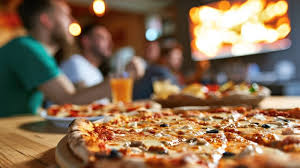
The café’s open kitchen is a deliberate choice. Diners see the whole choreography: dough being coaxed into rounds, sauce ladled in confident circles, toppings placed in thoughtful restraint rather than piled to excess. Pizzas slide into specialized ovens while the room fills with the smell of caramelizing crust and bubbling cheese.
It’s theater, yes—but it’s also accountability. You can’t talk about authenticity when guests are watching you cut corners.
For home pizza obsessives, this is a masterclass in what matters most. Amedeo’s pies underline a few core truths:
- Great crust starts with a properly fermented dough, not a rushed mix.
- Authentic Italian pizza demands serious heat, whether from a professional oven or a well‑heated pizza stone at home.
- Less is more: three or four high-quality toppings will always beat a dozen cheap ones.
Signature Pies: Familiar Forms, Las Vegas Personality
Amedeo respects the canon—but doesn’t worship it blindly.
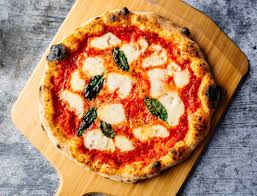
Yes, there is a Margherita, but even there, the café stakes out its own space with the Titan Margherita: fresh mozzarella, cherry tomatoes, and basil, a precise balancing act of acidity, fat, and sweetness that nods to Naples while still feeling at home in Nevada.
Around it spins a cast of pizzas with painterly names and serious intent:
- Paolo – sausage, mozzarella, mushrooms, and red onions, a classic comfort profile sharpened by ingredient quality.
- Donatello – Alfredo sauce, mozzarella, shrimp, onion, and fresh parsley: a white pie that leans into richness without losing balance.
- Bronzino – mozzarella, salami, prosciutto, mushrooms, and fresh arugula, bringing together cured meats and bitter greens in a way that feels unapologetically Italian.
These are not stunt pies. They’re the product of a kitchen that understands its neighborhood as well as its heritage. Las Vegas diners want to see tradition, but they also expect a little playfulness—and Amedeo walks that line without falling into gimmickry.
Behind the scenes, the same discipline applies to the dough. For those deep in the weeds of pizza dough recipes and fermentation charts, Amedeo offers a working proof that patience and proper technique still win in a crowded, convenience‑driven market.
Las Vegas, Pizza Town: Why Authenticity Suddenly Matters
A decade ago, it might have sounded like a joke to call Las Vegas a pizza capital. Today, the punchline has flipped. Critics now routinely describe it as a “spectacular pizza town,” with serious players covering nearly every regional style: Neapolitan, Detroit, Chicago deep‑dish, New York street slices, Brooklyn‑influenced pies, and more.
“The Vegas style that I think has been developed has to do with people traveling from different parts of the country, retelling the stories of what they experienced as pizza,” says Vincent Rotolo, founder of Good Pie on Main Street, one of the city’s most respected slice shops. That mosaic of memories has created a landscape where multiple “authentic” stories can coexist.
Within that diversity, a restaurant like Amedeo has room to stand out by doubling down on its own origin story. It doesn’t try to be all styles at once. It doesn’t chase alcohol‑soaked late‑night crowds with shock toppings. Instead, it bets that there is still power in:
- A consistent, disciplined dough process
- A narrow but focused menu
- A dining room where hospitality feels personal, not scripted
The timing helps. With tourism rebounding and locals more selective about where they spend their money, there’s new oxygen for places that offer craftsmanship at fair prices—especially those that read as genuine locals’ spots rather than tourist traps.
Beyond the Pie: Building a Complete Italian Table
At Amedeo, pizza is the headliner, not the whole show.
The menu broadens into freshly made pastas and classic antipasti, all treated with the same seriousness as the pies themselves. Plates like Fettuccine Alfredo, Rigatoni al Vodka, and Chicken Parmigiana lean into familiarity but resist shortcuts. Sauces are built, not poured from a jar; textures are tuned; portions are generous without sliding into excess.
Seasonal specials give the kitchen space to respond to what’s best at market—tomatoes at their peak, certain greens in cooler months, seafood when supply cooperates. For regulars, that means there’s always something new to try without the anxiety of a constantly shape‑shifting menu.
For pizza suppliers and restaurant owners, Amedeo’s playbook underscores an old truth that’s suddenly urgent again: your vendor relationships matter. In a world of rising food costs and supply shocks, the restaurants that maintain standards tend to be the ones that invested early in trustworthy partners and refused to dilute their product when margins got tight.
When Tradition Meets the App Era
If the dough is old‑world, the front end is firmly 2025.
Amedeo’s website and online ordering system make it easy for Las Vegas locals to fold the café into their weekly routines—pickup on the way home, delivery for game night, a quick midweek pasta fix. But the digital presence doesn’t stop at transactions.
The team has begun sharing educational content: behind‑the‑scenes looks at how they prepare dishes like Fettuccine Alfredo, and guides on how pizza and pasta can fit into a balanced diet. It’s content marketing, yes, but it’s also a subtle way of teaching guests what separates authentic Italian cooking from its Americanized cousins.
For other operators, this is a case study in how pizza shop marketing strategies can reinforce, rather than distract from, a brand’s core values. Amedeo shows that you can embrace pizza POS systems, online ordering, and social media without sacrificing the intimacy and integrity that define a true neighborhood spot.
The Future of Italian Dining in Las Vegas
Taken in isolation, Amedeo Pizza Italian Café is a single restaurant. Taken in context, it’s a signpost.
As Las Vegas’ culinary identity matures beyond all‑you‑can‑eat excess, the city is making space for places that move at a different tempo: family-owned, tech‑literate, and deeply craft‑focused. These dining rooms don’t rely on celebrity chefs or dancing fountains. Their selling point is simpler: you come back because the food is consistent, the welcome feels real, and you can taste the decisions behind every plate.
For the broader pizza industry, Amedeo’s approach is a reminder that the hunger for artisanal pizza ingredients and traditional preparation methods isn’t going away. Delivery apps, ghost kitchens, and automation will keep expanding—but there will always be demand for rooms where someone stretches the dough by hand, knows your name, and remembers how you take your espresso.
Frequently Asked Questions About Authentic Italian Pizza
What makes authentic Italian pizza different from American pizza?
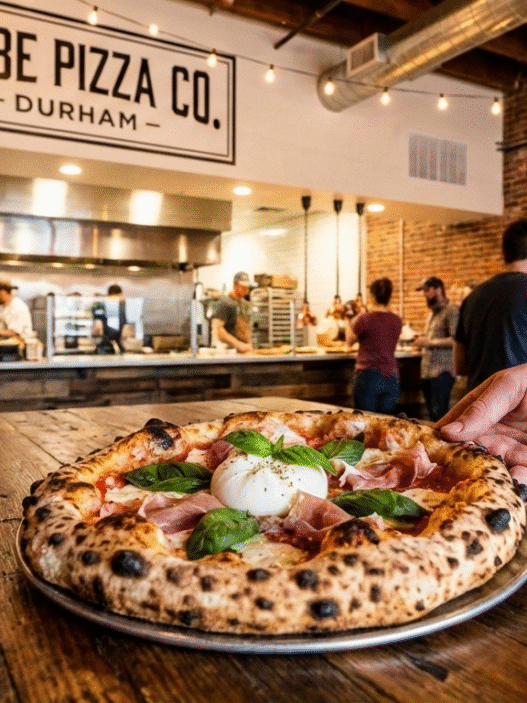
Authentic Italian pizza centers on a thin, delicate crust, minimal toppings, and higher quality ingredients. The dough is typically fermented longer, then baked at very high temperatures. The result is that signature leopard‑spotted crust—charred in places, tender in the center, and light enough that you can finish a whole pie without feeling weighed down.
How can I identify an authentic Italian pizzeria?
Look for a few signs:
- A focused menu with classic combinations rather than overloaded novelty pies
- Traditional pizza dough recipes and long fermentation
- Specialized ovens and visible care in how pizzas are stretched and baked
- An emphasis on fresh mozzarella, good olive oil, and simple toppings over heavy sauces and cheese blends
In many of the best rooms, you’ll also find pizzaiolos who have trained in or been heavily influenced by Italy.
What’s the best way to make Italian‑style pizza at home?
You don’t need a restaurant oven, but you do need to respect the basics:
- Use a well‑hydrated dough and let it ferment longer than you think.
- Invest in a good pizza stone or steel and preheat it thoroughly.
- Keep toppings light—good tomatoes, fresh mozzarella, a drizzle of olive oil, a few leaves of basil.
High heat and restraint will get you closer to Naples than a dozen toppings and a low oven ever will.
Why is Italian pizza baked at such high temperatures?
Traditional Neapolitan pies bake at 800–900°F, usually in under two minutes. That intense heat:
- Blisters and chars the crust without drying it out
- Melts cheese quickly while preserving freshness
- Keeps the center soft and tender rather than bready
Home ovens can’t typically reach those numbers, but a blazing‑hot stone or steel is the next best thing.
What ingredients are essential for authentic Italian pizza?
At its core, you’re looking for:
- Quality flour, ideally Italian 00 flour
- San Marzano tomatoes or similarly bright, low‑acid tomatoes
- Fresh mozzarella (fior di latte or buffalo)
- Extra virgin olive oil
- Fresh basil
Everything else is variation on a theme.
As Amedeo Pizza Italian Café settles into the Las Vegas landscape, it quietly rewrites what it means to “go out for pizza” in a city built on spectacle. For locals, it’s a new candidate for the weekly rotation. For visitors, it’s a chance to taste a slice of Italy without ever leaving the Strip’s glow. For the industry, it’s proof that in 2025, the oldest recipe in the book—great ingredients, patient craft, genuine welcome—still works